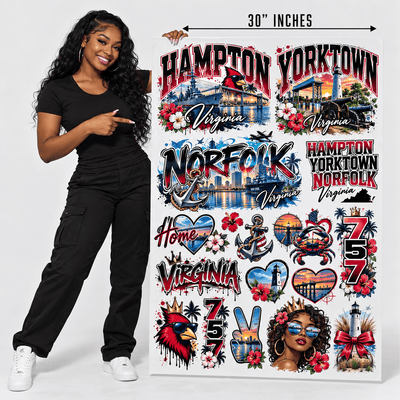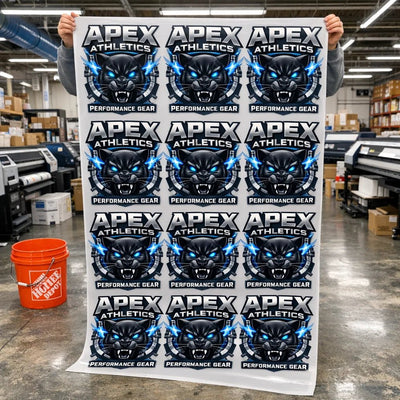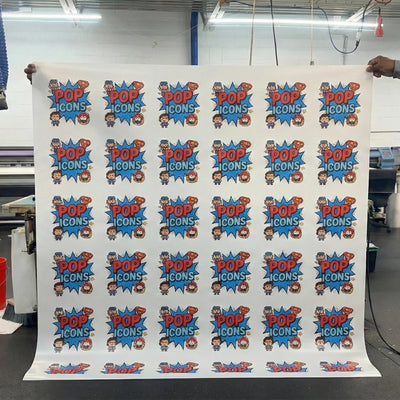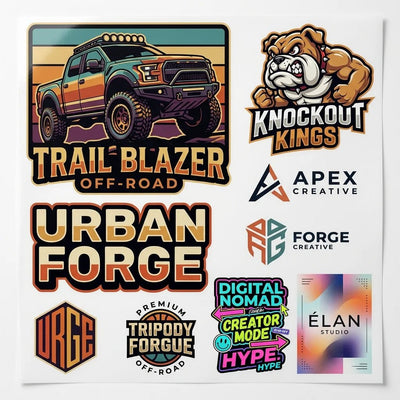
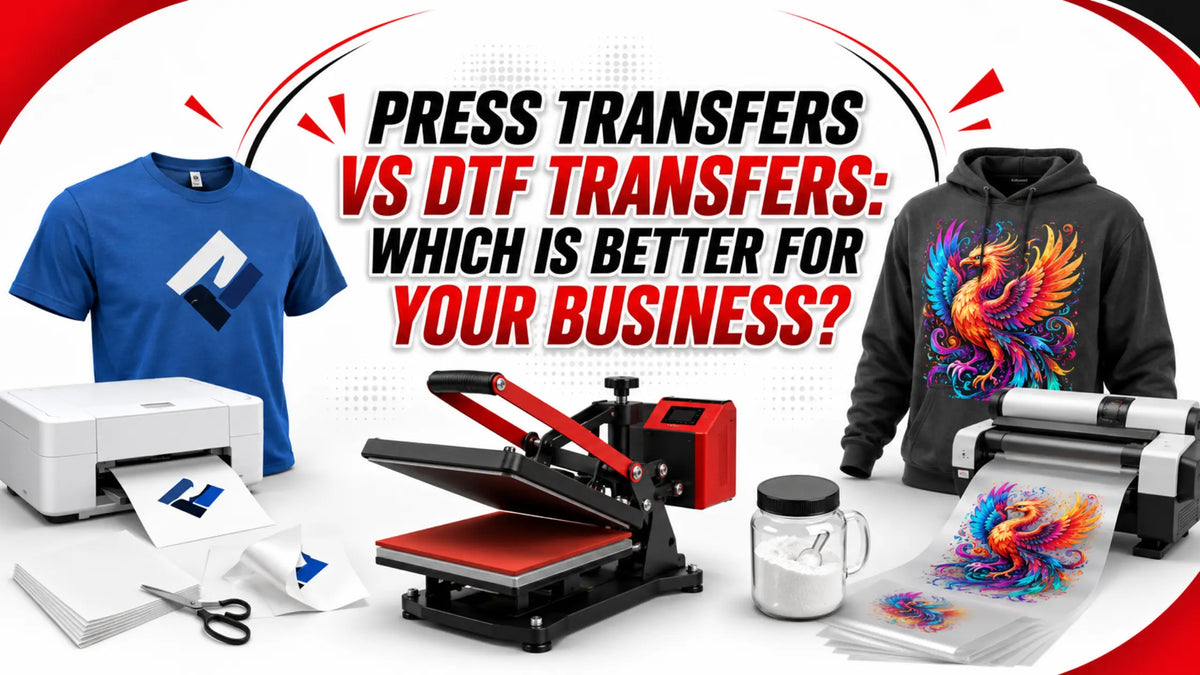
Choosing between press transfers and DTF transfers depends on your production volume, budget, and quality expectations. Both technologies print designs on fabric, but they work completely differently and suit different workflows.
What Are Press Transfers?
Press transfers are the traditional method of transferring artwork to garments. A design is printed on transfer paper(typically on an inkjet or laser printer), then placed on a garment and pressed with heat and pressure. The paper backing is removed, leaving the design on the fabric.
Press transfers have been used for decades. Many small print shops and local businesses rely on them because the equipment is affordable and setup is straightforward. Learn about transfer paper types before choosing this method.
What Is DTF Printing?
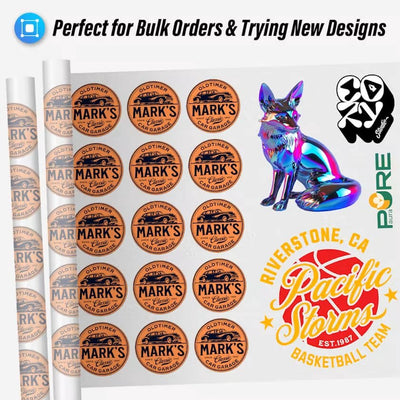
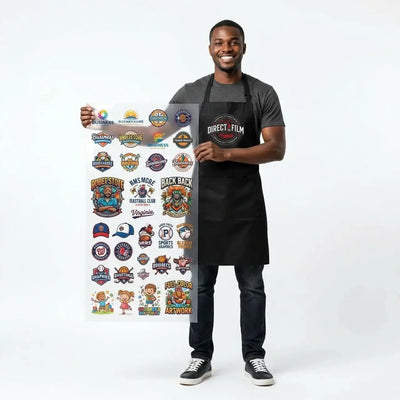
DTF stands for Direct-to-Film printing, a newer technology that works differently. Design is printed directly onto specialty film using specialized DTF equipment. Powder is applied to the film, then the film is transferred directly to the garment using heat and pressure.
The film is then peeled off, leaving the design on the fabric. DTF eliminates the transfer paper step entirely, which creates differences in durability and detail quality. Understand DTF printing basics before comparing methods.
Key Differences Between Press Transfers and DTF
Color Quality and Detail
Press transfers work best for simple designs with solid colors and basic shapes. Photo-realistic artwork with gradients and fine details often looks washed out or blurry. The resolution limitation is around 150-200 DPI maximum.
DTF printing handles complex images and photo-realistic designs perfectly. It also reproduces fine details with clarity. DTF supports 300+ DPI resolution, capturing gradient transitions, small text, and photographic elements. This makes DTF superior for detailed artwork.
Durability and Washing
Press transfer durability depends heavily on proper application. If pressed incorrectly or at wrong temperatures, transfers crack and peel within a few washes. Correctly applied transfers can last 30-50 washes.
DTF transfers are more durable than press transfers. A properly applied DTF print lasts 50+ washes without cracking or peeling. The adhesive bond is stronger because the design bonds directly to the fabric fibers. Learn DTF durability standards before deciding.
Hand Feel
Press transfers create a noticeably thick feel on fabric. The transfer backing adds texture and stiffness. Some customers like this raised effect, but others find it uncomfortable, especially on t-shirts.
DTF transfers provide a soft hand feel that feels much like screen printing. The design integrates into the fabric rather than sitting on top of it. For premium apparel, this softer finish is a major advantage.
Equipment and Setup Costs
Press transfer startup is cheap. An inkjet printer ($150-500), transfer paper ($20-50 per pack), and a household heat press ($200-400) gets you started. Total startup cost is under $1,000. This is why small businesses love this method.
DTF equipment costs significantly more. A DTF printer costs $3,000-15,000+ depending on size and quality. You also need powder applicators and curing equipment. Many businesses outsource DTF production instead of buying equipment. According to textile industry standards, equipment investment decisions depend on production volume and quality goals.
Speed and Production Volume
Press transfers are slow. Each transfer must be printed individually, cut, positioned on the garment, and pressed separately. Production speed is 15-30 units per hour depending on your setup and skill level.
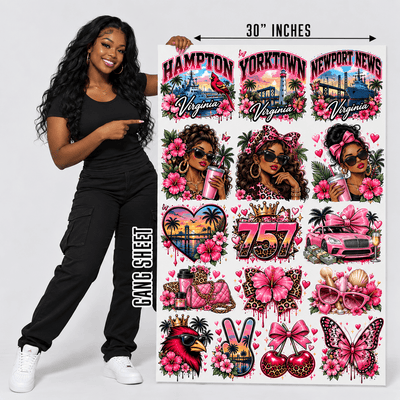
DTF printing is faster when using bulk production methods. Once equipment is running, batch printing multiple designs onto film is quick. Transferring to garments still requires individual pressing, but the overall workflow is more efficient. Large operations benefit most from DTF speed.
File Preparation
Press transfers require careful file preparation. You reverse the design (mirror image), ensure proper margins for cutting, and account for paper thickness. This adds steps to the workflow. Check DTF file specifications for your chosen method.
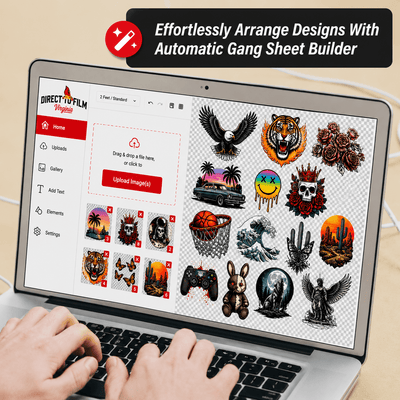
DTF file prep is simpler. The design prints as-is without mirroring. No cutting or alignment is needed because the film transfers automatically. This reduces errors and speeds up production.

Quick Comparison
|
Factor |
Press Transfers |
DTF |
|
Quality for detail |
Good for simple designs |
Excellent for complex images |
|
Resolution |
150-200 DPI |
300+ DPI |
|
Durability |
30-50 washes |
50+ washes |
|
Hand feel |
Thick, raised texture |
Soft, screen-print like |
|
Startup cost |
Under $1,000 |
$3,000–$15,000+ |
|
Production speed |
15-30 units/hour |
30-60+ units/hour (bulk) |
|
Best for |
Small batches, simple designs |
High volume, complex artwork |
When to Use Press Transfers
Press transfers make sense for small operations. Use them if you produce fewer than 100 units monthly. They work well for simple text designs and basic graphics. Minimal investment means low risk when starting out.
Press transfers also work if your customers don't demand premium hand feel or extreme durability. Local events, small businesses, and budget-conscious customers often accept press transfer quality. Learn transfer sizing guidelines for your production approach.
When to Use DTF Transfers
DTF transfers are better for quality-focused businesses. Use them if you want photo-quality prints or complex designs. DTF is ideal if customers expect premium durability and soft feel.
DTF also makes sense if you produce high volume (500+ units monthly). The cost-per-unit decreases with volume, making DTF economical at scale. Many businesses choose DTF transfer providers instead of buying equipment.
Cost Comparison at Scale
For 500 units per month with simple designs, press transfers are cheaper. You control all costs and avoid outsourcing fees.
For 500 units with complex designs, DTF is often cheaper per unit. Outsourcing DTF costs less than investing in equipment, especially when factoring in labor, maintenance, and learning curve. Compare DTF transfer costs based on your actual volume.
Which Should You Choose?
Start with your business goals. Do you need premium quality or just basic prints? Is your customer base price-conscious or quality-focused? What volume do you produce monthly?
Small print shops with simple designs and low volume should use press transfers. Established businesses wanting growth and premium quality should consider DTF. Many successful businesses use both methods depending on the project.
Test both before committing. Order small samples and compare DTF quality side-by-side on your garments. Your customers' feedback will guide the right choice for your business.