Logo sizing makes or breaks shirt appearance. Too small and the design disappears. Too large and the shirt looks cluttered. The right size depends on placement, design complexity, and shirt style.
Understanding sizing principles ensures professional results every time.
Standard Logo Sizes by Placement
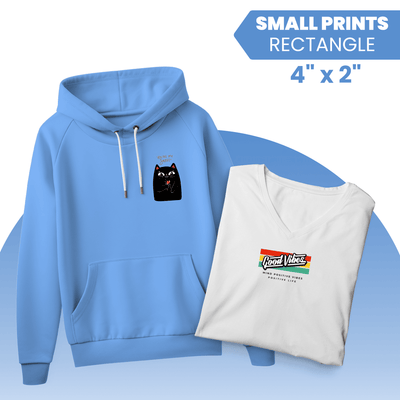
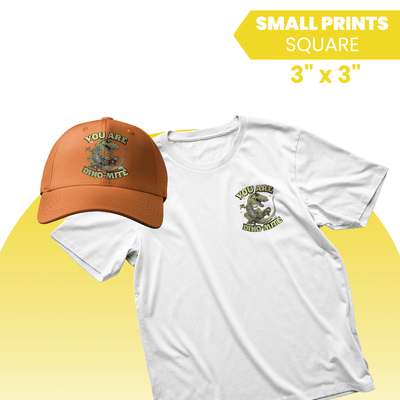
Chest logos typically measure 3-4 inches wide for professional appearance. This size balances visibility with proportion. A logo bigger than 4 inches dominates the front and looks oversized.
Smaller logos around 2 inches work for minimalist designs or secondary placement. Back prints can expand to 10-12 inches since they're viewed from greater distance. The larger viewing distance allows bigger sizing without overwhelming the shirt.
Sleeve logos stay 1.5-2.5 inches to maintain proper garment proportions. Oversized sleeve designs look awkward and restrict arm movement comfort.
The Viewability Rule
Consider viewing distance when sizing logos. A design viewed from 3 feet away needs larger sizing than one viewed inches from the face.
Professional uniforms often use smaller logos (2-3 inches) since viewers see them up close. Event merchandise viewed from distance can use larger logos (4-6 inches). Match logo size to typical viewing distance for maximum impact.
A logo that looks perfect on screen may appear tiny when printed on an actual shirt. Always consider real-world viewing scenarios.
Design Complexity Affects Sizing
Simple solid-color logos work at smaller sizes (2-3 inches) without losing detail. Fine details require larger sizing to remain visible and professional.
Photographic images with gradients need 4+ inches to show proper detail and color variation. Too small and photographic transfers appear muddy and unclear. Quality DTF printing handles fine details better than other methods at all sizes.
Text-heavy logos need larger sizing so text remains readable. Small text at tiny sizes becomes illegible regardless of printing method.
Professional Appearance Standards
Work uniforms require a polished appearance. Logos between 3-4 inches look professional without appearing costume-like. Restaurant chains, corporate offices, and service companies use this standard.
Under 2 inches appears cheap or unintentional. Over 5 inches on a chest print looks costume-like rather than professional. Staying within 3-4 inch range ensures professional perception.
Placement matters as much as size. Centered logos look intentional. Off-center or poorly positioned logos look amateurish regardless of size.
Shirt Style Considerations
T-shirts accommodate larger logos than button-up shirts. A 4-inch logo works on casual t-shirts but looks oversized on dress shirts.
Fitted shirts require smaller logos (2-3 inches) due to body contours. Oversized t-shirts handle larger logos (4-5 inches) better. Consider garment style when sizing designs.
Different fabric types influence perception. Cotton prints appear different from polyester prints. Test sizing on actual shirt samples when possible.
Center vs Off-Center Placement
Centered logos at standard sizes (3-4 inches) create formal, professional appearance. This works for corporate clients and professional settings.
Off-center placement allows larger logos without appearing overwhelming. A 5-inch logo positioned slightly off-center looks intentional rather than clumsy. Placement strategy matters as much as sizing itself.
Custom Sizing for Specific Applications
Event merchandise can use larger logos (5-6 inches) since viewers see merchandise from distance. Conferences, sports events, and festivals justify bigger sizing.
Promotional items use smaller, more subtle logos (1.5-2 inches) for brand presence without dominating the garment. These appear on shirts worn repeatedly, so discretion works better than boldness.
Personal custom shirts allow personal preference. Some people love large statement designs while others prefer subtle branding.
DTF Advantages for Flexible Sizing
DTF printing prints any size without setup costs. Scale designs up or down instantly. Test different sizes on different shirt samples risk-free.
Screen printing requires new screens for resizing, but DTF eliminates this cost. DTF allows unlimited experimentation until perfect sizing is found.
Custom DTF transfers let customers see multiple size options before committing. This flexibility satisfies customers and builds confidence in final results.
Horizontal vs Vertical Logos
Wide horizontal logos need less height to look complete. A horizontal 4-inch logo only needs 1.5-2 inches height.
Tall vertical logos need more vertical space to feel balanced. A vertical 4-inch logo needs 4+ inches height. Account for orientation when planning placement.
Logos with awkward proportions should be resized proportionally. Never distort to fit placement. Squishing or stretching logos looks unprofessional.
Sleeve Placement Sizing
Sleeve logos (embroidery or transfers) work best at 1.5-2.5 inches. Larger sleeves accommodate 2.5-3 inches maximum.
Small arm size or tight sleeves need 1-1.5 inch logos. Oversized logos look ridiculous on sleeves and restrict movement.
Back neck placement typically uses 1-1.5 inches. Back waist logos scale larger (2-3 inches) on longer shirts.
Common Sizing Mistakes
Too small: Logos disappearing from normal viewing distance look cheap or unintentional.
Too large: Oversized logos appear costume-like or unprofessional on premium wear.
Disproportionate: Distorted logos (stretched or squished) look obviously wrong.
Unbalanced: Logos positioned oddly create unprofessional appearance regardless of size.
Wrong placement: Logos too close to seams or awkward areas look like poor planning.
Testing and Samples
Always request samples showing sizing options. Digital screens distort perceived sizing compared to printed garments. Physical samples prevent sizing regrets.
Compare sizing on actual shirts, not mockups. What looks right in design software may appear different on fabric.
Test visibility from normal viewing distance. Stand back and assess if the logo is visible and well-proportioned from how others will view it.
Final Words
Logo sizing ranges from 2-4 inches for professional chest placement with 3 inches being ideal standard. Adjust sizing based on placement, viewing distance, design complexity, and garment style. Test sizing on sample garments before committing full orders.