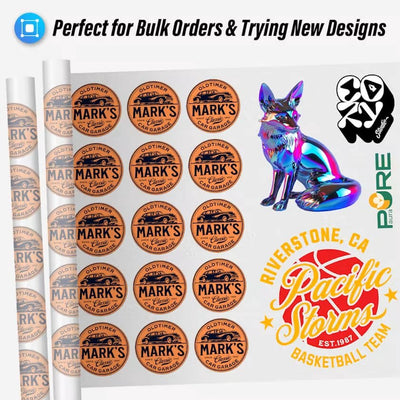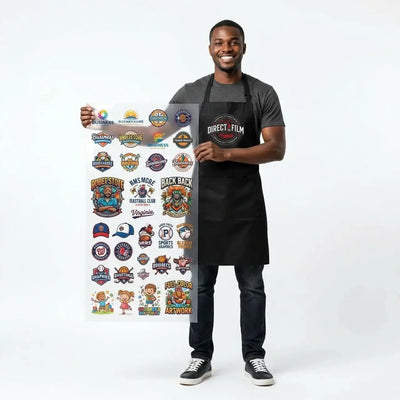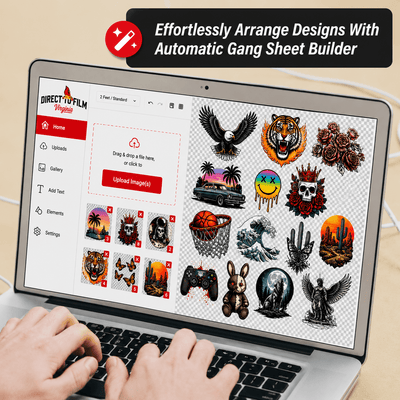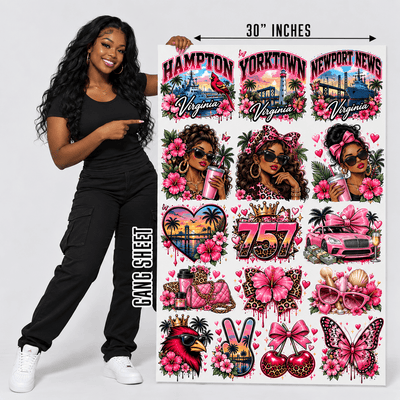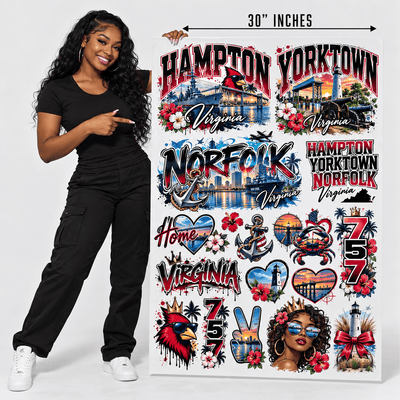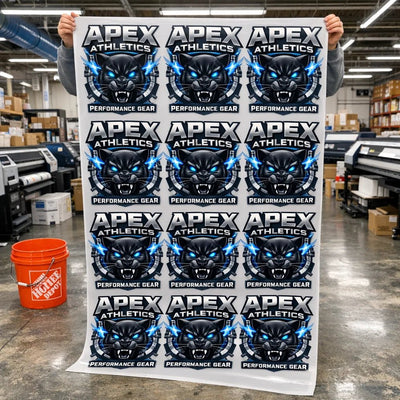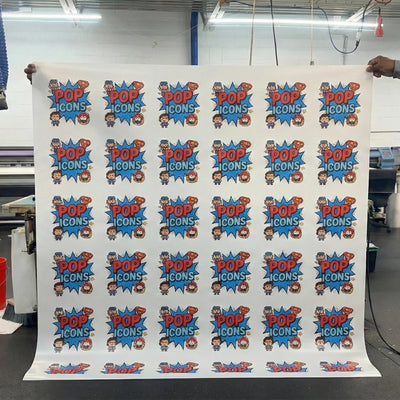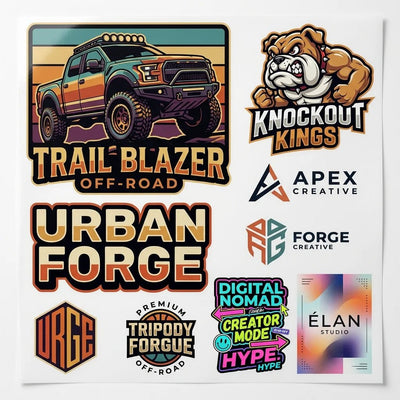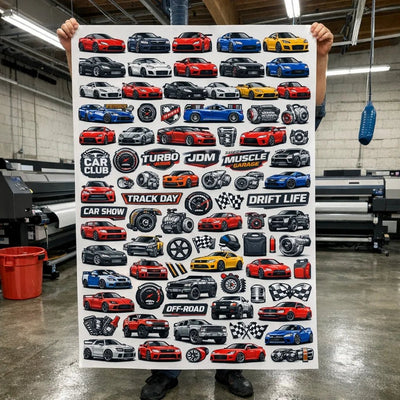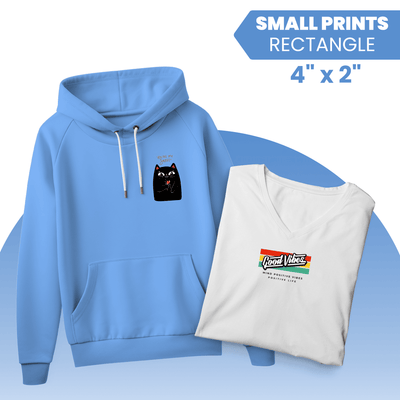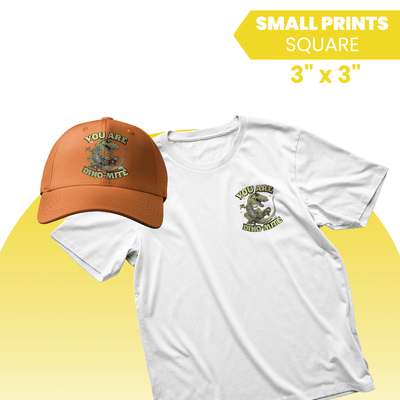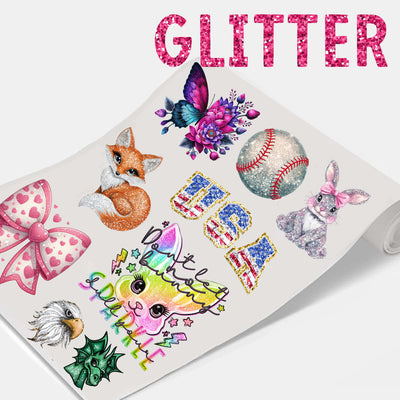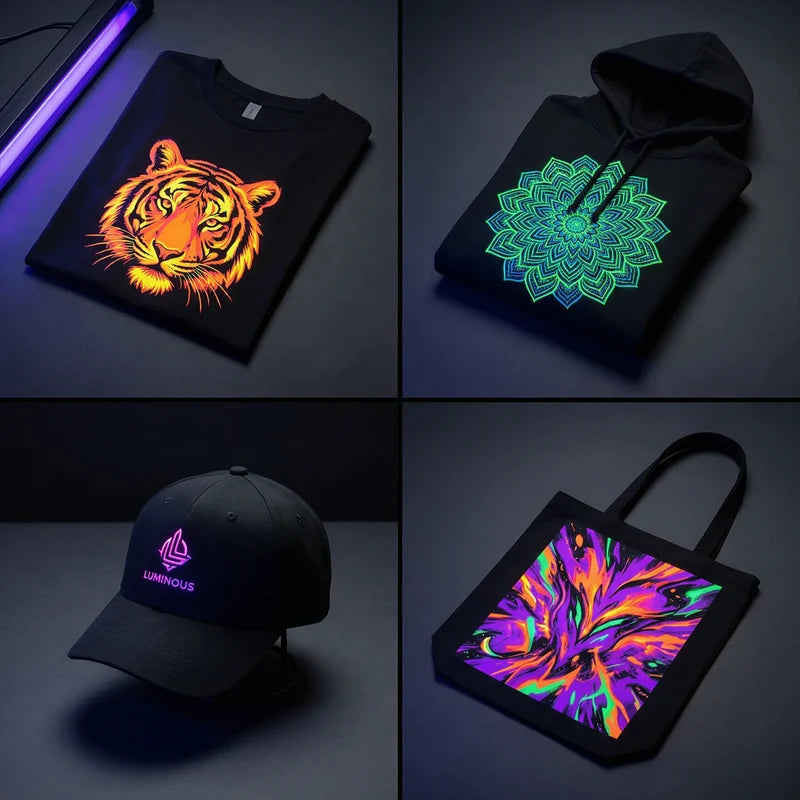

DTF printing and heat transfer vinyl (HTV) both create custom apparel, but use fundamentally different processes. DTF transfers ink onto fabric while HTV applies pre-cut colored vinyl.
Understanding these differences helps you choose the right method.
What Is DTF Printing?
DTF printing transfers designs from special film onto fabric using heat and adhesive powder. The process prints full-color designs including photographs and complex artwork. DTF works on cotton, polyester, blends, and dark fabrics without limitations.
Proper application technique produces professional results consistently. Colors remain vibrant and details stay sharp.
What Is Heat Transfer Vinyl?
Heat transfer vinyl consists of colored plastic sheets cut into designs using plotters or cutting machines. The vinyl adheres to fabric through heat and pressure. HTV comes in solid colors, patterns, metallic finishes, and specialty materials.
Designs must be cut from individual vinyl colors and layered for multi-color projects. This limits design complexity compared to full-color printing methods. Simple logos, text, and solid-color designs work best with HTV.
Durability Comparison
DTF prints survive 50-100+ wash cycles when properly applied. The adhesive bonds to fabric fibers permanently. Prints resist fading and maintain flexibility through washing.
HTV durability varies significantly by vinyl quality and type. Premium HTV lasts 50+ washes, while economy vinyl may peel after 10-20 cycles. HTV edges can lift over time, especially on frequently washed garments.
Design Complexity
DTF handles photographic images, gradients, fine details, and unlimited colors in single transfers. Complex designs print as easily as simple ones. Small text and intricate patterns reproduce accurately.
HTV requires cutting and layering individual colors. Each color adds application time and potential alignment challenges. Fine details become difficult or impossible to cut. Photographic images and gradients cannot be reproduced with standard HTV.
Application Process
DTF transfers apply in single heat press operations. Place transfer on fabric, press for 15-20 seconds, peel film. Multi-color designs require no alignment or multiple pressing.
HTV application requires cutting, weeding excess vinyl, positioning, pressing, and peeling the carrier sheet. Multi-color designs need separate pressing for each layer with precise alignment. This increases labor time significantly.
Feel and Texture
Quality DTF prints feel soft and flexible. The thin adhesive layer creates minimal texture. Prints move naturally with fabric without stiffness.
HTV creates noticeable texture and thickness. The vinyl layer sits distinctly on the fabric surface. Layered multi-color HTV designs feel especially thick and stiff. Some users find heavy HTV uncomfortable during wear.
Color Vibrancy
DTF produces vibrant, photographic-quality colors. Full CMYK color range plus white ink allows any shade. Colors appear consistent across different fabric types and colors.
HTV colors depend on available vinyl stock. Limited to manufacturer's color selections. Matching specific brand colors requires finding exact vinyl shades. Layering creates new colors but increases thickness.
Cost Analysis
DTF transfers cost $1.50-4.00 per print depending on size. No additional cost for multiple colors or complex designs. Volume discounts reduce per-unit pricing.
HTV material costs vary by type and quality. Premium vinyl runs $1-3 per square foot. Labor costs increase significantly with design complexity. Multi-color designs require more material and time than single colors.
Fabric Compatibility
DTF works on cotton, polyester, poly-cotton blends, nylon, and most fabrics. Different materials accept DTF equally well. Dark and light fabrics both produce quality results.
HTV works on cotton and polyester but performance varies by vinyl type. Some HTV doesn't adhere well to certain polyester fabrics. Stretchy materials can cause vinyl cracking. Texture fabrics may prevent proper adhesion.
Production Speed
DTF allows batch production of identical or different designs simultaneously. Custom orders ship within days without setup delays.
HTV production speed depends on design complexity. Simple designs apply quickly while multi-color designs require significant time for cutting, weeding, positioning, and layering.
Detailed Comparison Table
|
Factor |
DTF Printing |
Heat Transfer Vinyl (HTV) |
|
Design Complexity |
Unlimited (photos, gradients, unlimited colors) |
Limited (simple logos, solid colors only) |
|
Application Time |
15-20 seconds single press |
2-10+ minutes (cut, weed, layer) |
|
Durability |
50-100+ washes, no edge peeling |
10-50+ washes, edges may lift |
|
Feel/Texture |
Soft, minimal texture |
Thick, noticeable texture |
|
Fabric Compatibility |
Cotton, polyester, blends, dark fabrics |
Primarily cotton, limited polyester |
|
Cost Per Print |
$1.50-4.00 |
$2-6+ (increases with colors) |
|
Multi-Color Designs |
No extra cost or time |
Multiple cuts and pressings required |
|
Best For |
Complex designs, photos, detailed work |
Simple single-color logos and text |
When to Choose DTF
Choose DTF for photographic images, gradients, or artwork with many colors. High-volume production benefits from batch capability. Work uniforms requiring detailed logos suit DTF printing. Projects needing a soft hand feel prefer DTF's thin print layer.
When to Choose HTV
Simple single-color designs apply quickly with HTV. Text, basic logos, and solid shapes work efficiently.
Small-scale operations with existing vinyl cutters maximize equipment investment. Specialty finishes like metallics, glitter, or flock require HTV.
Extremely low-volume production (1-5 pieces) may cost less with HTV when equipment already exists.
Longevity and Care
Both methods require proper washing care. Turn garments inside out, wash in cold water, and avoid bleach. Proper washing techniques extend life for both methods.
DTF maintains appearance through commercial laundering better than economy HTV. Great Transfer VinyHTV edges require special attention during washing to prevent lifting.
Common Issues
DTF Challenges
Peeling issues typically result from incorrect application temperature or pressure. Proper technique prevents problems. Cracking occurs from excessive heat during drying.
HTV Challenges
Vinyl edges lifting during washing represent the most common HTV failure. Layered designs separate at color boundaries. Stretchy fabrics cause vinyl cracking along fold lines.
Final Words
DTF printing excels for complex, multi-color designs requiring soft feel and durability. HTV works for simple designs when specialty finishes are desired. Most custom apparel businesses benefit from DTF's design flexibility and quality.