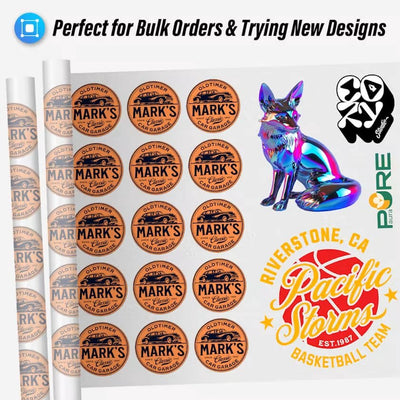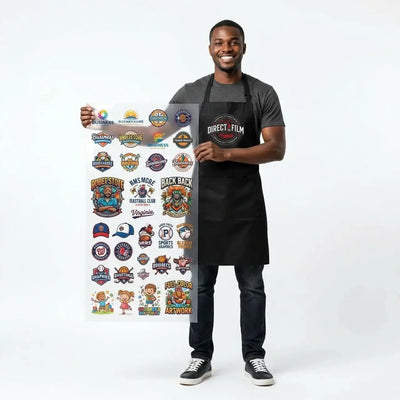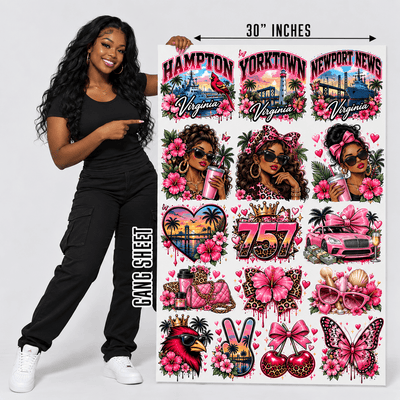

Both TPU and leather patches deliver quality branding solutions. Each material excels in different applications and use cases. Choosing the right patch type depends on your specific needs and customer expectations.
Understanding the Materials
What is TPU?
TPU (thermoplastic polyurethane) is a synthetic polymer combining rubber flexibility with plastic durability. This engineered material delivers water resistance and flexibility. TPU accepts vibrant colors and withstands extreme temperatures.
What is Leather?
Genuine leather is a natural material offering timeless aesthetic appeal. Leather patches develop character and patina over time. This classic material commands premium pricing and prestige.
Head-to-Head Comparison
Water Resistance and Durability
TPU patches are waterproof and excel in wet environments. Saltwater, chlorine, and humidity don't degrade TPU performance. Explore TPU waterproof patch options for water-exposed applications.
Leather patches require sealing or waterproofing treatments. Untreated leather absorbs moisture and deteriorates in wet conditions. Leather works better for dry environments and indoor use.
Flexibility and Comfort
TPU remains flexible across temperature extremes. Flexible patches move with fabric without cracking. Athletes and active users appreciate comfortable TPU patches.
Leather stiffens in cold weather and softens in heat. Leather patches provide rigid structure valued by brands. Stiffness can feel uncomfortable on some wearable applications.
Aesthetics and Appearance
TPU delivers a modern appearance with vibrant color options. Contemporary brands and tech companies favor sleek TPU designs. Learn about different patch materials to see design possibilities.
Leather provides timeless elegance and prestige. Classic leather patches develop character over years of use. Premium fashion and luxury brands favor authentic leather.
Cost and Value
TPU costs less than premium leather patches. Budget-friendly pricing makes TPU ideal for promotional merchandise. Cost-effectiveness increases profit margins significantly.
Leather commands premium pricing reflecting material quality. Luxury customers expect and accept higher leather costs. Leather positioning justifies premium product pricing.
Application-Specific Comparison
Outdoor Gear and Adventure
TPU's water resistance makes it ideal for outdoor equipment. Backpacks, tents, and hiking gear benefit from waterproof patches. Explore heat-press patch durability for outdoor application methods.
Leather works for dry outdoor gear and vintage aesthetics. Hiking brands using heritage positioning favor leather patches. Mountain brands often combine both materials for differentiation.
Athletic and Sports Apparel
TPU excels in sports uniforms and performance gear. Flexibility and moisture resistance suit athletic demands. Team logos on TPU patches remain vibrant through the seasons.
Leather appears rarely in athletic apparel due to stiffness. High-performance brands avoid leather for active sports. Luxury athleisure sometimes features leather accents.
Fashion and Luxury Brands
TPU suits modern fashion and contemporary brands. Designer labels use vibrant TPU for bold statements. Fast fashion favors affordable TPU production and turnaround.
Leather dominates luxury and heritage fashion. Premium leather patches communicate exclusivity and craftsmanship. Designer brands position leather as a status symbol.
Corporate and Branded Merchandise
TPU delivers professional appearance at reasonable cost. Corporate uniforms and promotional items use durable TPU. Employee satisfaction increases with comfortable patches.
Leather conveys authority and premium company positioning. Executive wear and high-end corporate gear feature leather. Heritage companies maintain leather for brand consistency.
Workwear and Industrial Applications
TPU withstands harsh industrial conditions effectively. Chemical resistance and durability suit factory environments. Work uniforms benefit from affordable patch replacement.
Leather rarely suits industrial applications due to moisture sensitivity. Utility workers avoid leather for field conditions. Heritage trade professions sometimes feature leather tradition.

Cost Comparison Analysis
|
Factor |
TPU Patches |
Leather Patches |
|
Material Cost |
Low |
High |
|
Production Speed |
Fast |
Slower |
|
Initial Investment |
Budget-friendly |
Premium |
|
Replacement Cost |
Affordable |
Expensive |
|
Durability (Years) |
5+ years |
3-7 years (varies) |
|
Best For Volume |
High-volume orders |
Limited editions |
|
Color Options |
Unlimited |
Limited |
|
Temperature Range |
Extreme (-20 to 140°F) |
Moderate |
|
Water Resistance |
Excellent |
Poor (unless treated) |
|
Premium Positioning |
Modern luxury |
Heritage luxury |
Performance Metrics Comparison
|
Metric |
TPU |
Leather |
|
Water Resistance |
9/10 |
4/10 |
|
Flexibility |
9/10 |
4/10 |
|
Durability |
8/10 |
7/10 |
|
Comfort Level |
8/10 |
6/10 |
|
Aesthetic Appeal |
8/10 |
10/10 |
|
Cost Efficiency |
9/10 |
5/10 |
|
Temperature Tolerance |
10/10 |
6/10 |
|
Design Versatility |
9/10 |
7/10 |
|
Brand Prestige |
7/10 |
10/10 |
|
Eco-friendliness |
6/10 |
8/10 |
Making the Right Choice
Choose TPU When:
Modern brands need affordable, durable solutions. Water-exposed applications demand waterproof performance. High-volume production requires cost-effective patches. Active wear and sports gear need flexibility. Learn how sublimation patches compare for design options.
Performance and functionality matter more than tradition. Budget constraints limit investment. Environmental concerns favor modern alternatives.
Choose Leather When:
Heritage brands want timeless aesthetic appeal. Premium positioning justifies higher costs. Limited edition collections command leather exclusivity. Luxury customers expect authentic materials. Classic, traditional branding resonates with audiences.
Aesthetic prestige outweighs performance demands. Quality perception depends on material authenticity. Brand heritage supports leather narrative.
Hybrid Approaches
Many brands combine both materials strategically. TPU patches handle functional branding. Leather accents add prestige and luxury perception. Mixing materials creates a distinctive brand identity.
Order UV-printed custom TPU patches for functional applications while leather handles premium positioning.
Combination strategies attract diverse customer segments. Layered messaging communicates quality and modernity simultaneously.
Conclusion
Both TPU and leather patches serve distinct market needs effectively. TPU excels in performance, durability, and cost-efficiency. Leather provides aesthetic prestige and brand heritage communication. The right choice depends on brand positioning, customer expectations, and application requirements.