Duffle bags present unique printing challenges due to their curved surfaces, heavy-duty fabrics, and constant handling. The best printing method depends on your design complexity, fabric type, budget, and durability requirements. Different techniques produce dramatically different results on these workhorse items.
Understanding what each method delivers helps you choose the right approach for gym bags, travel gear, team equipment bags, and promotional duffle bags.
Results matter more than process when customers judge your decorated bags.
Screen Printing on Duffle Bags
Screen printing produces bold, durable results on flat or slightly curved duffle bag surfaces. The thick ink deposits create vibrant colors that survive rough handling.
What the Results Look Like
Screen printed designs appear solid and opaque on both light and dark fabrics. Colors stay bright through heavy use and repeated washing. The ink sits on top of the fabric as a distinct layer you can feel.
Simple logos, team names, and bold graphics work exceptionally well. Complex designs with many colors become expensive due to setup costs per color.
Durability Performance
Screen printing withstands the abuse duffle bags endure. The cured ink resists scratching, fading, and peeling. Gym bags and sports equipment bags often use screen printing for this reason.
Limitations
Curved or seamed areas present challenges. Screen printing works best on flat panels before bag assembly. Photo-realistic images don't reproduce well. Small orders face high setup costs.
Heat Transfer Vinyl on Duffle Bags
Heat transfer vinyl creates durable, professional-looking designs by pressing cut vinyl shapes onto fabric. The results stand up to heavy duffle bag use.
Appearance Characteristics
Vinyl transfers produce clean, precise designs with sharp edges. Single-color logos and text look exceptionally crisp. The vinyl sits on the fabric surface as a smooth, slightly raised layer.
Metallic and specialty vinyl finishes create eye-catching effects. The material has slight thickness that becomes more noticeable on thin fabrics.
Wear Resistance
Quality vinyl outlasts many other decoration methods on duffle bags. The material resists peeling and cracking when properly applied. According to the Specialty Graphic Imaging Association, properly applied vinyl withstands extreme use conditions.
Design Constraints
Each color requires separate cutting and application. Multi-color designs increase labor time significantly. Complex images or photographic content aren't possible with vinyl cutting. The method excels at bold, simple graphics.
Embroidery on Duffle Bags
Embroidery delivers premium, tactile results that elevate bag appearance. The thread creates dimension and texture impossible with printing methods.
Visual Impact
Embroidered logos add perceived value and professionalism. The raised thread creates shadows and depth. Customers associate embroidery with quality and durability. Colors stay vibrant indefinitely since thread doesn't fade like ink.
Longevity
Thread withstands everything duffle bags encounter. The stitching resists abrasion, moisture, and chemical exposure. Work bag applications favor embroidery for this durability. The decoration becomes part of the fabric structure rather than sitting on top.
Practical Considerations
Large designs require significant stitching time, increasing costs. Very detailed images lose clarity in thread translation. Small text becomes difficult to read. Thick fabrics handle embroidery better than thin materials.
Direct-to-Film (DTF) Transfers on Duffle Bags
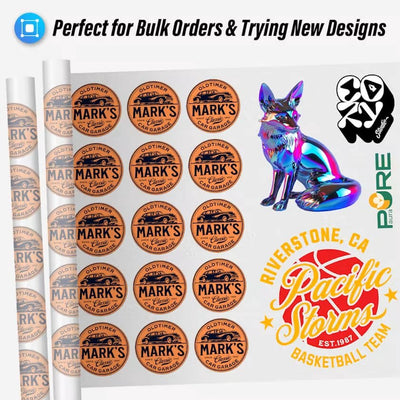
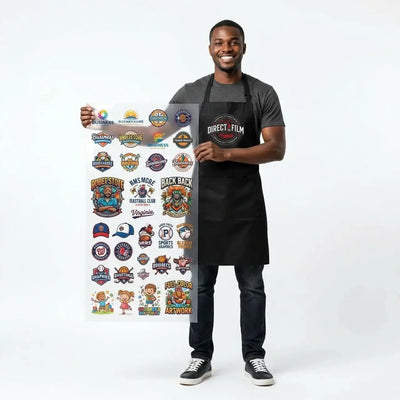
DTF transfers offer a newer approach that combines full-color capability with good durability on various duffle bag fabrics.
Print Quality Results
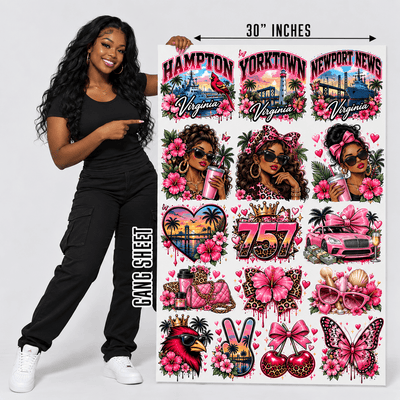
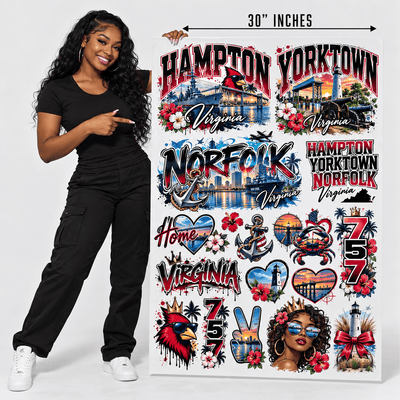
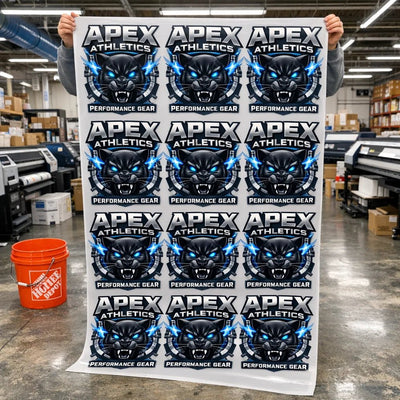
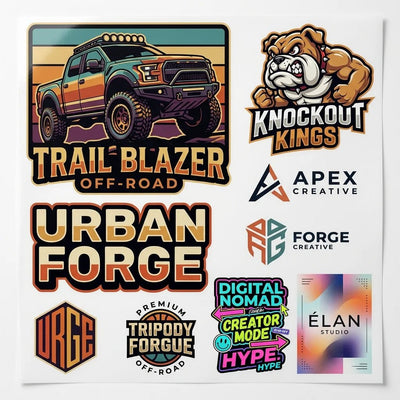
DTF produces photographic detail and unlimited colors in single applications. Complex designs, gradients, and detailed artwork transfer clearly onto bag surfaces. The prints maintain vibrant colors on both light and dark fabrics.
Full-color team photos and detailed logos reproduce accurately without the color limitations of other methods. The transferred design sits relatively flat on the fabric with minimal thickness.
Durability on Duffle Bags
Properly applied DTF transfers survive the handling of duffle bags received. The cured adhesive bonds well to common bag fabrics including polyester, canvas, and nylon blends. Prints last through extended use when applied correctly.
Gym bags, sports equipment bags, and travel duffle bags show good print retention through normal wear. The method handles curved surfaces better than screen printing.
Application Flexibility
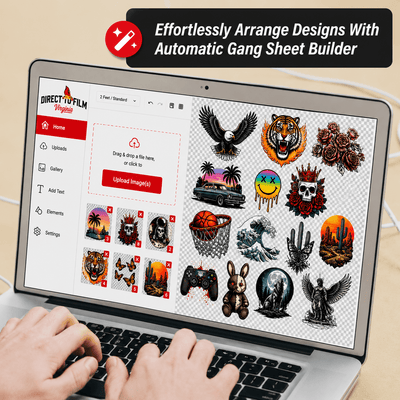
DTF works on materials where other methods struggle. Different bag fabrics accept transfers without specialized equipment for each material type. Custom designs apply to small or large orders economically.
The method suits one-off custom bags and small team orders. No minimum quantity requirements make personalization practical.
Sublimation Printing on Duffle Bags

Sublimation creates permanent, vibrant designs but only works on polyester fabrics. Results on compatible materials exceed other methods for certain applications.
Color and Detail
Sublimation produces the most vibrant colors possible on white or light polyester bags. Photos and complex artwork transfer with perfect clarity. The dye becomes part of the fabric. Colors won't fade, crack, or peel since nothing sits on the surface.
Material Limitations
Sublimation only works on polyester or polymer-coated surfaces. Cotton, canvas, and nylon duffle bags cannot accept sublimation. Dark fabrics don't work either since sublimation dyes are transparent. When material compatibility aligns, the results are exceptional.
Digital Printing Methods
Direct printing technologies produce detailed results but face challenges on typical duffle bag materials.
Print Characteristics
Digital direct-to-fabric printing handles complex, multi-color designs easily. Fine details and photographic quality exceed screen printing capabilities. Setup costs are minimal, making short runs economical.
Fabric Challenges
Most digital printing works best on flat, smooth fabrics. Heavy canvas and textured nylon may not accept ink properly. Not all duffle bag materials work with available digital printing systems.
Choosing the Right Method
For Simple, Bold Designs
Screen printing or vinyl deliver excellent results at reasonable costs for straightforward logos and text. Both handle various fabric types well with strong durability.
For Complex, Full-Color Artwork
DTF transfers or sublimation (on polyester) reproduce detailed images accurately. Small orders and custom personalization become practical.
For Premium Appeal
Embroidery creates the most durable, professional decoration. Higher costs justify themselves through perceived quality and longevity.
For Budget Projects
Screen printing delivers good results at lowest per-unit cost for larger quantities.
Surface and Seam Considerations
Flat side panels accept most printing methods. Curved areas near bag ends challenge most techniques. Avoid decorating areas that fold or flex constantly during use to prevent premature failure. Test placement with mock-ups before production.
Material-Specific Results
Canvas accepts screen printing, embroidery, and DTF transfers well. Polyester works with all methods including sublimation. Nylon's smooth surface works best with DTF transfers and quality vinyl. Test samples on actual bag fabric before large orders.
Working with Decoration Suppliers
Quality suppliers understand material compatibility and method limitations. Request samples on actual bag fabric before production. Experienced providers guide method selection based on your design and quantity. Discuss durability requirements upfront for applications like gym bags versus event merchandise.
Final Words
The best printing method for duffle bags depends on design complexity, fabric type, order quantity, and durability needs. Screen printing and embroidery deliver proven results for traditional applications. DTF transfers expand possibilities for full-color designs on various materials.