Curious about the difference between DTF transfers and vinyl? You’re in the right place. Both printing methods have been popular in the world of custom apparel for years, but they work in very different ways. Vinyl has been the trusted choice for small shops and sportswear for a long time, while DTF (Direct-to-Film) printing is the newer technology that’s changing how custom designs are made.
Here’s the simple truth: DTF transfers outperform vinyl in almost every way that matters. They produce brighter colors, handle more complex designs, and last longer through repeated washing and wear. For anyone who has struggled with cutting and weeding vinyl, DTF printing offers a faster, cleaner, and more flexible option.
Whether you run a print shop, create your own clothing line, or enjoy making personalized designs at home, understanding DTF vs vinyl printing can help you choose the right method for your projects.
Let’s take a closer look at what makes these two printing methods different and why many people are switching to DTF.

What’s the Difference Between DTF and Vinyl?
The main difference between DTF transfers and vinyl printing lies in how each method creates and applies designs.
Vinyl printing uses colored vinyl sheets that are cut into shapes, letters, or logos. These pieces are then heat-pressed onto a garment, forming a visible layer that sits on top of the fabric. It’s simple and reliable but limited when it comes to detailed artwork or color variety.
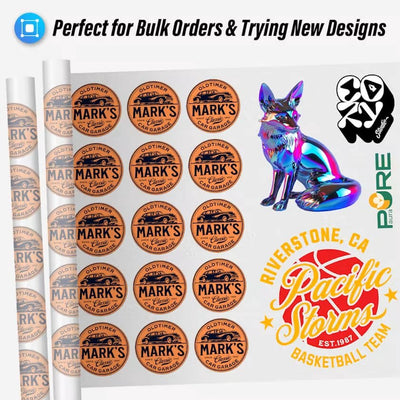
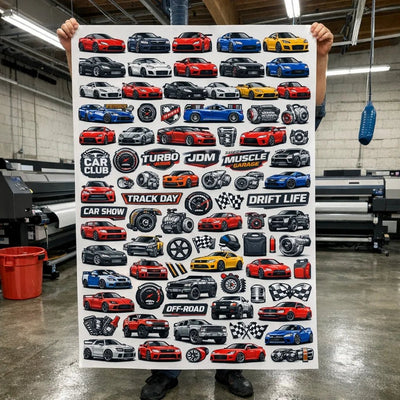
DTF printing, on the other hand, uses specially formulated inks printed directly onto a clear PET film. A layer of hot-melt adhesive powder is applied to the ink, and once cured, the design is heat-pressed onto the fabric. Instead of sitting on top, DTF transfers bond with the fibers of the garment, creating a softer, more flexible feel.
In short:
-
Vinyl is cut, peeled, and pressed.
-
DTF is printed, powdered, and pressed.
Both rely on heat to transfer artwork, but the results and performance are very different.
Vinyl Printing: The Classic Method
Vinyl heat transfers have been around for decades and are still widely used in small businesses, schools, and sports teams. They’re made from polyurethane or PVC material and are known for their solid, opaque colors.
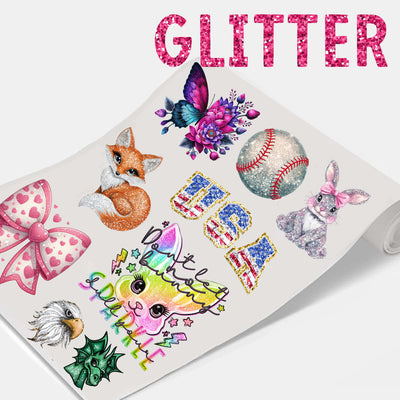
You’ll often see vinyl lettering or numbers on sports jerseys, it’s clean, durable, and easy to apply. Vinyl can also produce fun special effects like metallics, glitter, and reflective finishes, which DTF currently can’t fully replicate.

Strengths of Vinyl
-
Great for simple text and logos
-
Works well on cotton and polyester fabrics
-
Produces vivid, solid colors
-
Offers unique effects like glitter, reflective, or holographic
Limitations of Vinyl
-
Difficult to use for complex or detailed designs
-
Weeding can be slow and time-consuming
-
Large vinyl areas can feel heavy or rubbery
-
May crack or peel over time with washing and stretching
Vinyl printing still has its place, especially for smaller projects or when you want a special finish. But for modern, detailed designs, DTF takes things to the next level.
DTF Printing: The Modern Upgrade
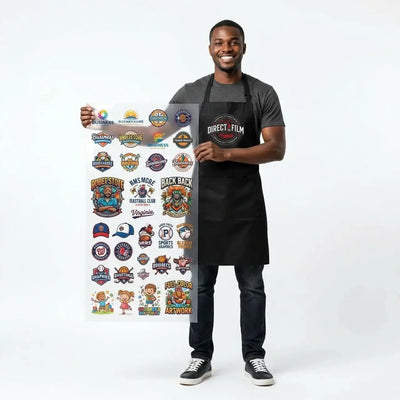
Direct-to-Film (DTF) printing is newer but quickly becoming the favorite for print shops and apparel brands. It combines digital printing with heat-transfer simplicity. Designs are printed in full color onto a film, dusted with adhesive powder, and heat-pressed onto nearly any fabric.
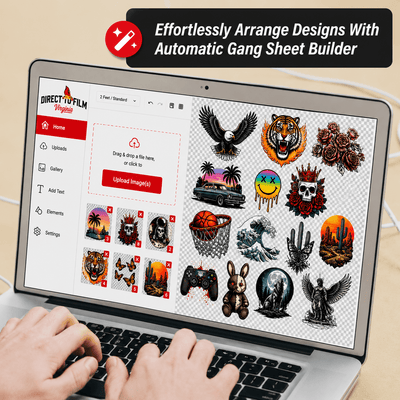
Because the design is digitally printed, there’s no need for cutting or weeding. Every detail, gradient, or photograph transfers perfectly.
Advantages of DTF
-
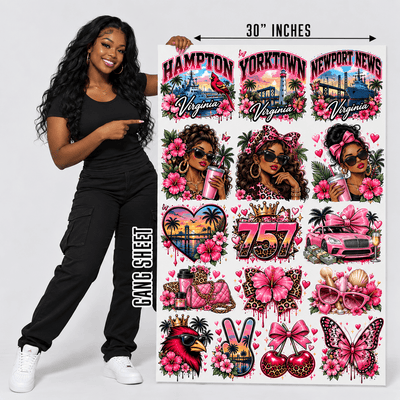
Handles highly detailed, colorful designs
-
No weeding required saves time and effort
-
Works on any fabric, including cotton, polyester, blends, and nylon
-
Feels soft and flexible on the garment
-
Lasts through 100+ washes without cracking or fading
-
Ideal for bulk production or print-on-demand businesses
Drawbacks of DTF
-
Requires special printers and films
-
Initial setup costs can be higher than vinyl
-
May need proper ventilation during the curing process
Even with those small challenges, most professionals agree that DTF offers the best balance between quality, speed, and cost for both small and large production runs.
DTF vs Vinyl: Side-by-Side Comparison
| Feature | DTF Transfers | Vinyl Printing |
|---|---|---|
| Durability | Excellent — lasts 100+ washes | Good — may peel or crack over time |
| Detail and Color | High detail, full-color | Limited to solid colors |
| Fabric Compatibility | Works on any material | Works on most (cotton, polyester) |
| Production Speed | Fast — no weeding | Slower — requires manual weeding |
| Feel on Fabric | Soft, lightweight | Thicker, more noticeable |
| Cost Efficiency | Better for bulk or complex designs | Better for small, simple designs |
| Special Effects | Limited, but improving | Excellent — glitter, reflective, metallic |
Which Should You Choose?
If you need simple, bold designs or want unique finishes, vinyl is still a good choice. It’s affordable, dependable, and easy to use for small batches or special requests.
However, if your focus is on vivid, high-quality prints that feel comfortable, last longer, and scale well for business, DTF printing is the clear winner. It’s faster, more flexible, and opens up creative possibilities that vinyl can’t match.
The Bottom Line
In 2026, DTF printing has become the go-to method for custom apparel. While vinyl still shines in certain areas, DTF offers better performance across almost every category, color, comfort, and durability.
Whether you’re printing your first shirt or scaling up a growing brand, DTF transfers make it easier to create designs that look professional and last longer.
DTF isn’t just an upgrade, it’s the future of custom printing.