To make custom shirts at home, you need a blank t-shirt, a design, and a printing method like heat transfer, vinyl, or screen printing. Beginners can start with heat transfer paper and a household iron to create professional-looking shirts easily.
Why Making Your Own Shirts Is Easier Than You Think
A lot of people assume making custom t-shirts at home is complicated or requires expensive equipment. The truth is, it’s one of the easiest DIY projects you can start — even as a complete beginner.
You don’t need a full workshop or industrial machines. In fact, many people start with nothing more than a printer, some transfer paper, and a regular iron. From there, you can gradually upgrade your tools as you improve.
What makes this even more interesting is that the same process used for personal projects can also turn into a small business. Many successful t-shirt brands actually started at home with very basic setups.
What Do You Need to Make Custom Shirts at Home?
Quick Answer:
You need a blank shirt, a printed design, transfer material (like heat transfer paper or vinyl), and a heat source such as an iron or heat press.
Before you jump into making your first shirt, it’s important to understand the basic tools involved. The good news is that most of these are affordable and easy to find.
A plain cotton t-shirt is usually the best starting point because it holds designs well and produces vibrant results. You’ll also need a way to create and print your design. This can be as simple as using Canva and a home printer.
The final piece is applying the design to the shirt. This is where heat comes in — either from a heat press or a household iron.
Basic setup for beginners:
- Blank cotton t-shirt
- Inkjet printer
- Heat transfer paper
- Iron or heat press
If you want to get more advanced later, you can explore tools like vinyl cutters or screen printing kits, but they’re not necessary to start.
How to Design a T-Shirt That Actually Looks Good
Creating a design is where most beginners either shine or struggle. The biggest mistake people make is overcomplicating things.
A good t-shirt design is usually simple, bold, and easy to read from a distance.
Start by thinking about who the shirt is for. Is it for personal use, a gift, or something you want to sell? This helps guide your design choices.
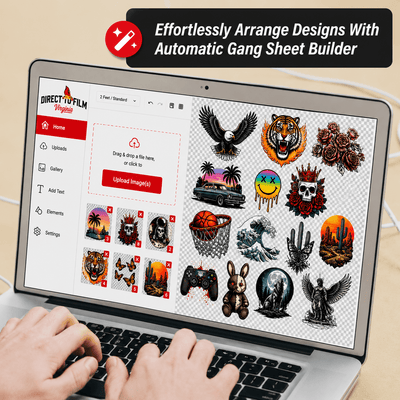
You can use beginner-friendly tools like Canva to create your design. Choose a clean font, limit your colors, and make sure your image is high resolution.
One crucial step many people forget is mirroring the design before printing, especially for heat transfer. If you skip this, your design will come out backwards on the shirt.
How to Make Your Own Shirt at Home (Step-by-Step)
This is where everything comes together.
Step 1: Choose the Right Shirt
The fabric you choose affects how your design looks and lasts. Cotton is the safest option for beginners because it absorbs ink well and holds prints longer.
Step 2: Print Your Design
Use transfer paper that matches your printer type (inkjet or laser). Make sure your design is mirrored if required.
Step 3: Position the Design
Lay your shirt flat on a hard surface. Carefully place the design where you want it. Wrinkles or uneven placement can ruin the final result.
Step 4: Apply Heat
If you’re using an iron, press firmly and evenly for about 30–60 seconds. Don’t move the iron around too much — consistent pressure is key.
With a heat press, follow the recommended temperature and time settings.
Step 5: Cool and Peel
Let the design cool slightly before peeling off the backing. Rushing this step can damage the print.
Step 6: Set the Design
For better durability, press the shirt again for a few seconds after peeling.
How to Print a Shirt at Home (Best Methods Explained)
There’s more than one way to print a shirt, and each method has its pros and cons.
Heat Transfer (Best for Beginners)
This is the easiest and most popular method for beginners. You print your design onto transfer paper and apply it with heat.
It’s affordable, simple, and doesn’t require special equipment — which is why most people start here.
Heat Transfer Vinyl (HTV)
Vinyl involves cutting your design from a sheet and pressing it onto the shirt.
It works best for:
- Text designs
- Logos
- Simple graphics
It’s more durable than transfer paper but requires a cutting machine.
Screen Printing
Screen printing is what professionals use for bulk orders. It produces high-quality, long-lasting prints but requires more setup and materials.
If you plan to make a lot of shirts, this method is worth learning.
DTF (Direct to Film)
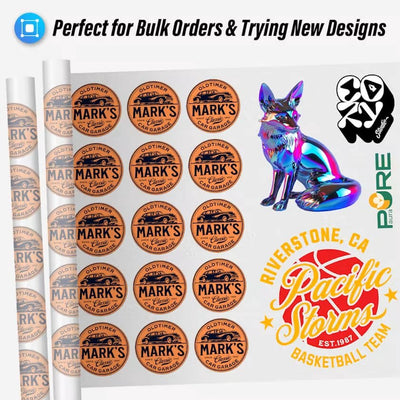
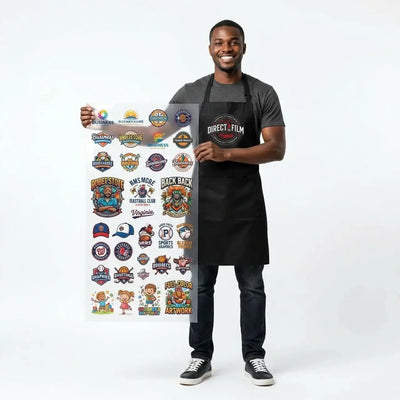
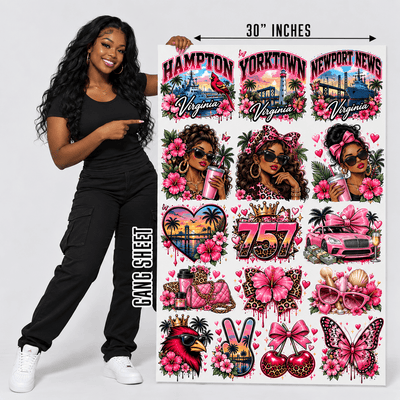
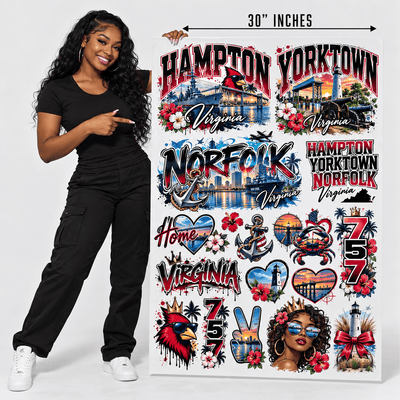
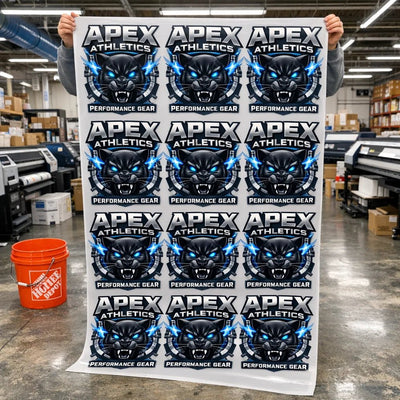
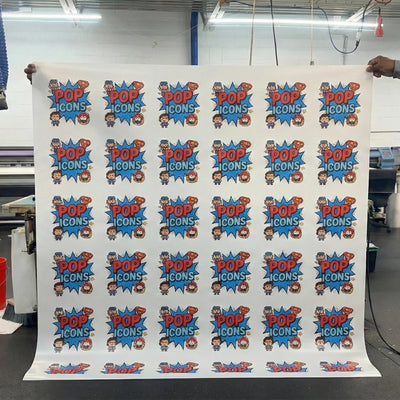
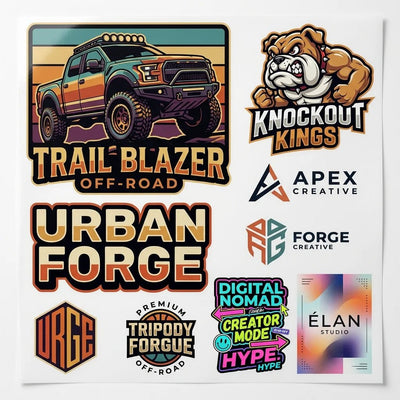
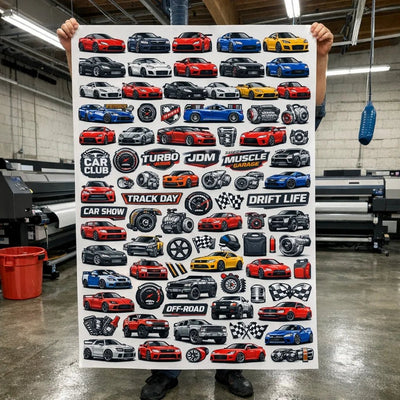
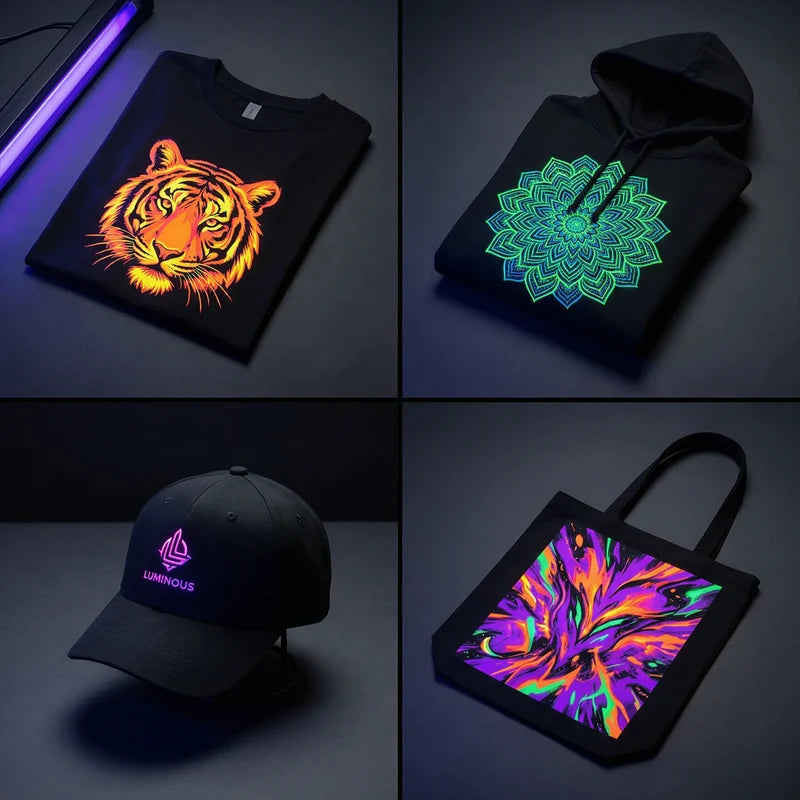
DTF (Direct-to-Film) transfers are one of the easiest and most reliable ways to create high-quality custom shirts at home.
Unlike traditional methods, DTF transfers allow you to print detailed, full-color designs that can be applied to almost any fabric including cotton, polyester, and blends.
What makes DTF stand out is how simple the application process is. You don’t need to worry about weeding vinyl or dealing with complicated setups. Once you have a ready-made DTF transfer, you just press it onto the shirt using heat.
- Works on almost any fabric
- Produces vibrant, detailed designs
- More durable than heat transfer paper
- Faster and easier than screen printing
- No cutting or weeding required
This is why DTF has become one of the most popular methods for both beginners and small businesses.
How to Put a Design on a Shirt (Without Messing It Up)
This step sounds simple, but it’s where most mistakes happen.
The key is even pressure and proper alignment. If your design is slightly off-center, it can make the shirt look unprofessional.
Make sure your shirt is completely flat before applying heat. Even small wrinkles can affect the final result.
Also, don’t rush the process. Taking an extra minute to position your design properly can make a huge difference.
How Much Does It Cost to Make Custom Shirts?
One of the biggest advantages of making shirts at home is cost.
On average, a single custom shirt costs between $5 and $15 depending on the materials you use.
If you’re making shirts in bulk, the cost per shirt drops significantly. For example, producing 100 shirts can cost anywhere from $200 to $500.
This is why many people turn this into a side hustle — the margins can be quite good once you scale.
How to Make Graphic Tees That Stand Out
If you want your shirts to look professional (or even sell), design matters more than anything else.
The best graphic tees usually:
- Focus on a specific niche
- Use simple, bold designs
- Avoid clutter
- Follow trends but stay unique
Think about what people would actually want to wear not just what looks good on screen.
Can You Start a T-Shirt Business from Home?
Yes — and many people already have.
Starting small is actually an advantage because it keeps your costs low while you learn what works.
You can:
- Sell on Etsy
- Use print-on-demand services
- Promote designs on TikTok or Instagram
The key is consistency and understanding your audience.
Common Mistakes Beginners Make
Most problems come down to a few simple mistakes:
- Using low-resolution images (results look blurry)
- Not applying enough pressure when ironing
- Choosing the wrong fabric
- Skipping the mirroring step
- Overcomplicating designs
Avoid these, and you’ll already be ahead of most beginners.
Final Thoughts
Making custom shirts at home is one of those skills that’s both practical and creative. Whether you’re doing it for fun, gifts, or to start a business, the barrier to entry is surprisingly low.
Once you get the basics right, you’ll realize how easy it is to improve and experiment with new designs and methods.
FAQs: Making Custom T-Shirts at Home
How can I make my own t-shirts at home?
You can make your own t-shirts at home using a blank shirt, a printed design, and a heat source like an iron or heat press. The easiest method for beginners is heat transfer printing, which only requires transfer paper and a standard printer.
What do I need to make shirts at home?
To get started, you’ll need a blank t-shirt (preferably cotton), your design, transfer paper or vinyl, a printer, and a heat source such as an iron or heat press. These basic tools are enough to begin without expensive equipment.
What is the easiest way to make custom shirts?
The easiest method is heat transfer paper. Print your design, place it on the shirt, and apply heat using an iron. It’s beginner-friendly and doesn’t require specialized machines.
How do you print a shirt at home without a heat press?
You can use a household iron. Apply firm, even pressure for about 30 to 60 seconds over the design. While a heat press provides more consistent results, an iron works well for simple projects.
How long do homemade custom shirts last?
Homemade shirts typically last between 20 and 50 washes, depending on the method used. Washing inside out and avoiding high heat can help extend their lifespan.
Can I start a t-shirt business from home?
Yes. Many people start with DIY methods or print-on-demand services and scale up over time as demand grows.
What fabric is best for making custom t-shirts?
Cotton is the most popular choice because it absorbs ink well and produces vibrant results. Polyester is better suited for sublimation printing.
How much does it cost to make a shirt at home?
Most homemade shirts cost between $5 and $15 each, depending on the shirt quality, materials used, and ink consumption.
What is the difference between heat transfer and screen printing?
Heat transfer uses heat to apply designs and is ideal for beginners or small runs. Screen printing pushes ink through a stencil and is better suited for bulk production due to its durability and efficiency.
How do you make graphic tees that sell?
Focus on a specific niche, keep designs bold and simple, and follow current trends. Understanding your target audience is key to creating shirts people actually want to wear.