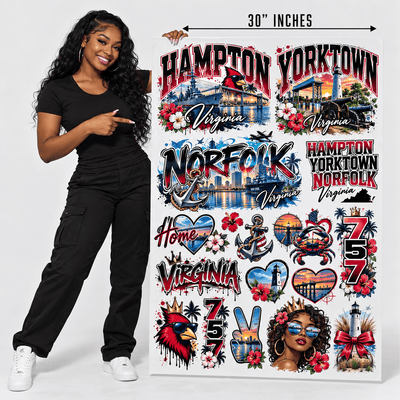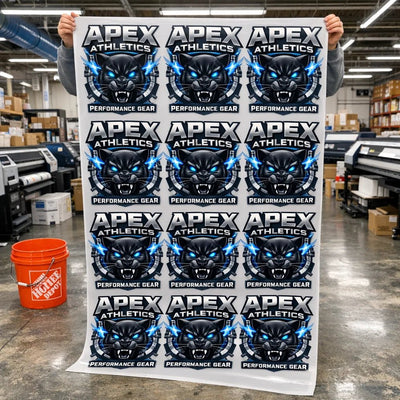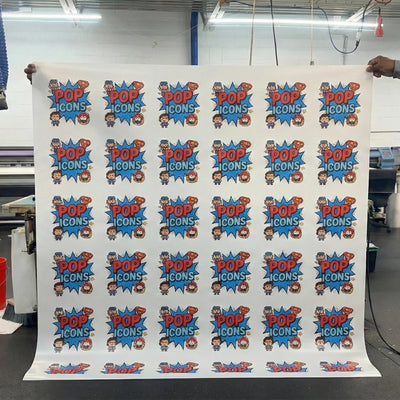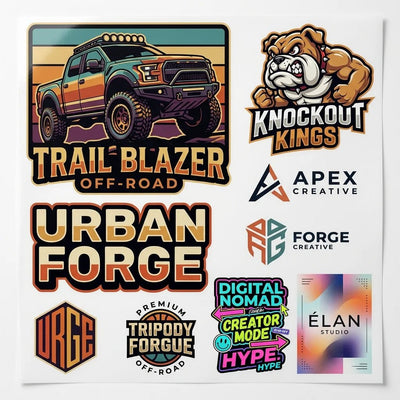
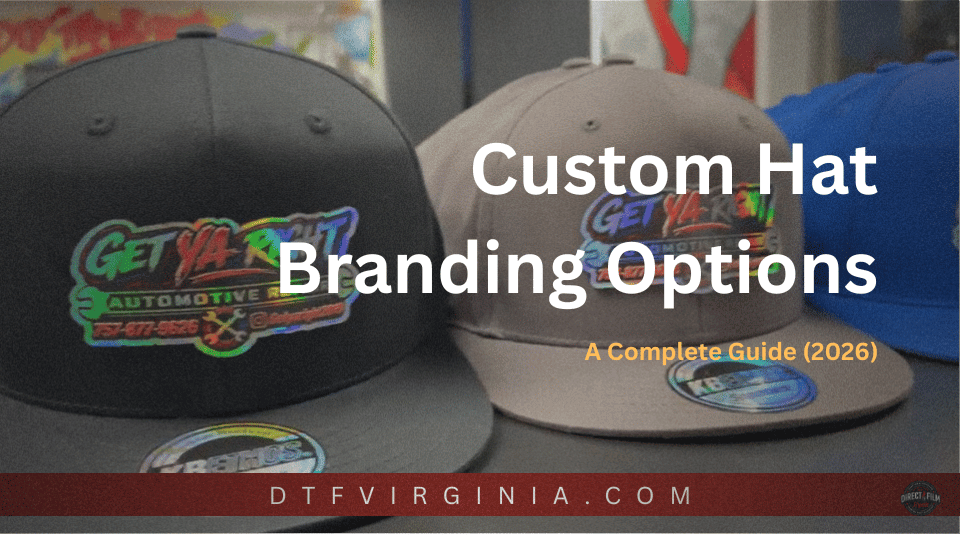
The main custom hat branding options are embroidery, leather patches, TPU patches, PVC patches, woven patches, interior tags, and NFC-enabled smart labels. Each differs in appearance, application method, and where it goes on the hat. Embroidery remains the traditional choice for stitched logos, leather and TPU patches are popular for premium full-color branding, and interior tags and smart labels add secondary branding without changing the hat's exterior.
This guide covers every major option, compares them, and shows what DTF Virginia currently offers.
What are custom hat branding options?
Hat branding refers to the different ways a logo or brand identity can be added to a hat. The most common methods fall into two groups: exterior branding, which creates visibility, and interior branding, which adds a more finished, retail-quality detail.
Exterior hat branding options
Leather patches
Leather patches create a premium, textured appearance and are a popular choice for apparel brands, breweries, and outdoor businesses.
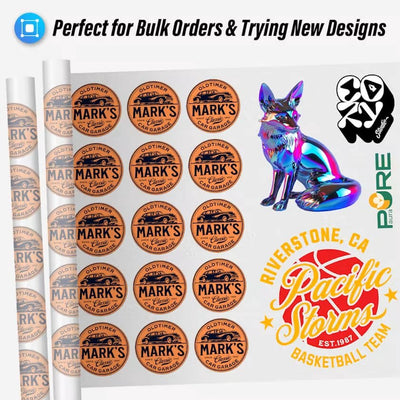
DTF Virginia's UV DTF leather patches are printed directly onto faux leather using UV-cured inks, allowing detailed, full-color artwork that engraving or embossing can't reproduce.
Best for: premium branding, detailed logos, small text, full-color artwork.
Pros
- Premium, textured finish
- Full-color printing
- Excellent detail
- No minimum order
Cons
- Slightly thicker than TPU
- Designed primarily for premium aesthetics
Production: 48-hour turnaround, no minimum order.
Placement: Front or side panel. Status: Available now.
TPU patches
TPU (thermoplastic polyurethane) patches are smooth, flexible patches offering a modern alternative to leather while still supporting detailed full-color printing.
DTF Virginia's UV DTF TPU patches combine flexible TPU material with UV printing for a clean, contemporary finish.
Best for: lifestyle brands, athletic brands, event merchandise, modern logos.
Pros
- Flexible material
- Smooth finish
- Full-color artwork
- Durable surface
Cons
- Less textured than leather
- More modern than traditional in appearance
Production: 48-hour turnaround, no minimum order.
Placement: Front or side panel. Status: Available now.
Embroidery
Embroidery is the traditional method of decorating hats by stitching thread directly into the fabric.
Best for: corporate apparel, sports teams, uniforms, simple logos.
Pros
- Extremely durable
- Professional appearance
- No patch required
Cons
- Cannot reproduce photo-quality artwork
- Fine details may be lost
- Limited gradients and color blending
PVC patches
PVC patches are molded patches commonly used in tactical, outdoor, and workwear products.
Best for: tactical brands, outdoor gear, heavy-duty applications.
Pros
- Molded, three-dimensional appearance
- Often marketed as water-resistant and durable, though this varies by manufacturer
Cons
- Less fine detail than printed patches
- Limited color options
Woven patches
Woven patches use fine woven threads rather than embroidery stitching, allowing finer detail while keeping a fabric appearance.
Best for: fashion brands, vintage-inspired products, small logos.
Pros
- Excellent detail
- Lightweight
- Traditional appearance
Cons
- Usually requires sewing
- Limited color gradients
Interior hat branding options
Interior tags add branding inside the hat without affecting its exterior appearance, giving apparel brands a more finished, retail-quality product.
RudiPress Tags
(DTF Virginia) are pressure-applied interior tags made of Exclusive PolyCore Canvas, attached without stitching — suited to branding hats after manufacturing.
Best for: private-label products, retail brands, small production runs.
Status: Coming soon.
Smart woven labels
Smart woven labels combine a woven label with an embedded NFC chip. Customers tap the label with a compatible smartphone to open a link — a product page, an authentication check, or brand story.
Smart Woven Labels (DTF Virginia) are heat applied rather than sewn.
Best for: premium apparel, limited editions, brand storytelling, product authentication.
Status: Coming soon.
Which custom hat branding option is best?
- Embroidery — traditional stitched logos
- Leather patches — premium retail branding, available now
- TPU patches — modern full-color logos, available now
- PVC patches — outdoor or tactical products
- Woven patches — apparel and fashion brands
- RudiPress Tags — subtle interior branding, coming soon
-
Smart Woven Labels — interactive customer experiences, coming soon
There isn't one best hat branding option for every project — it depends on your logo, the look you want, and how the hats will be used. For premium, full-color branding with fast turnaround and no minimum order, DTF Virginia's UV DTF leather and TPU patches are available now. RudiPress Tags and Smart Woven Labels will round out the lineup with interior branding options soon.
Frequently Asked Questions
What is the most popular custom hat branding option?
Embroidery remains a traditional industry standard, while leather and TPU patches have become increasingly popular because they support detailed, full-color branding with a premium appearance.
What types of hat patches are available?
The most common hat patch types include leather, TPU, PVC, woven, and embroidered patches. DTF Virginia currently offers UV DTF leather and TPU patches for vibrant, full-color customization.
What's the difference between leather and TPU patches?
Leather patches have a textured, premium look, while TPU patches offer a smoother, more flexible, and modern appearance. Both can display full-color artwork using UV DTF printing.
Can hat patches be heat applied?
Yes. DTF Virginia's UV DTF leather and TPU patches are designed to be heat applied, eliminating the need for sewing while providing a clean, professional finish.
Can you combine multiple branding methods?
Yes. Many brands use an exterior patch for primary branding, then add an interior tag or woven label as a secondary branding element for a more premium finished product.
Is there a minimum order for custom patches?
No. DTF Virginia's UV DTF leather and TPU patches have no minimum order requirement and are produced with a 48-hour turnaround for most orders.