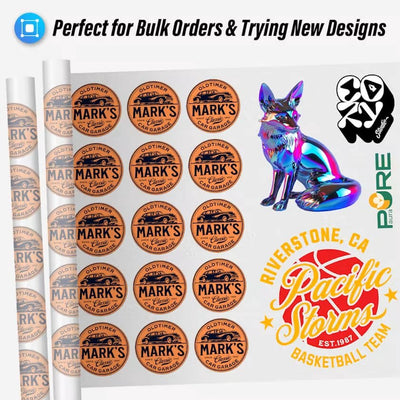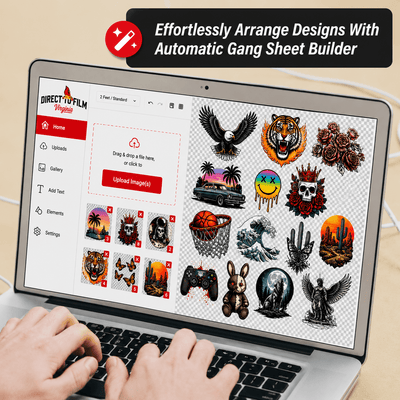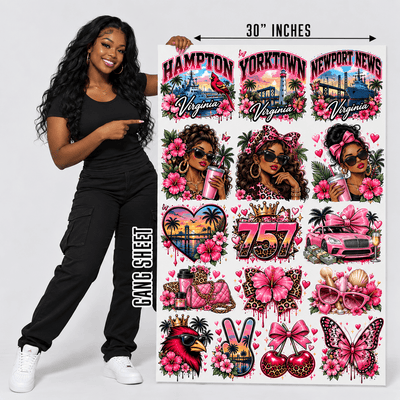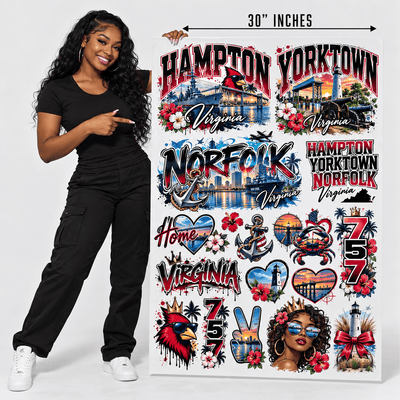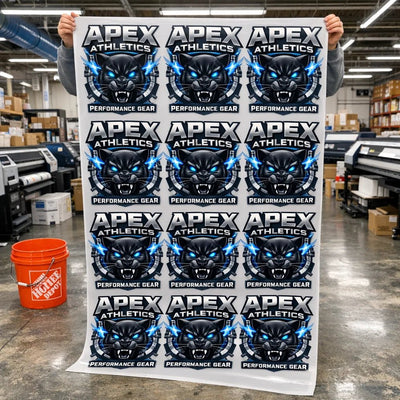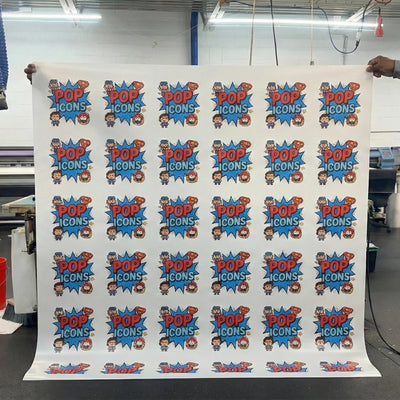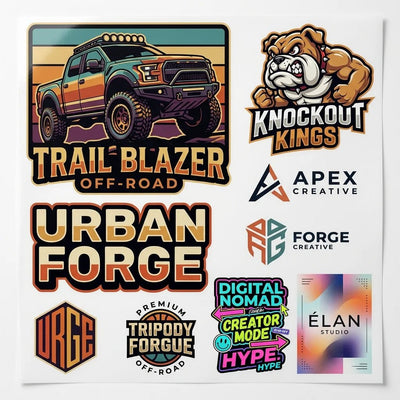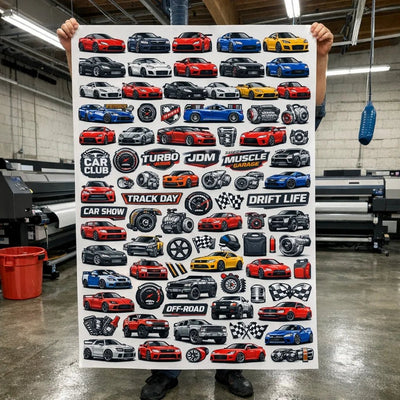
TPU patches offer excellent water resistance, making them ideal for outdoor and high-moisture environments. TPU material repels water effectively, though true waterproofing depends on application method and quality standards.
Understanding how waterproof TPU patches really are helps you choose the right solution for your needs.
What Is TPU?
TPU Material Definition
TPU stands for thermoplastic polyurethane, a synthetic polymer known for flexibility and durability. This material naturally resists water and moisture, unlike traditional fabric patches. Learn different patch material options to understand TPU's advantages.
TPU vs Traditional Patch Materials
Traditional fabric patches absorb water and can deteriorate when wet. TPU patches repel water instead of absorbing it, providing superior protection. Rubber and leather patches also resist water, but TPU offers more flexibility and modern aesthetics.
Water Resistance vs Waterproof
Understanding the Difference
Water-resistant materials repel water but may allow moisture through with prolonged exposure. Waterproof materials completely prevent water penetration under normal conditions. Most TPU patches are highly water-resistant rather than 100% waterproof.
Real-World Application
TPU patches handle rain, sweat, and moisture exposure extremely well. Extended submersion or high-pressure water may eventually penetrate some TPU materials. For most applications, TPU's water resistance exceeds customer expectations.
TPU Patch Durability in Wet Conditions
Long-Term Water Exposure
Quality TPU patches maintain integrity after years of water exposure. The material doesn't degrade, crack, or become brittle from moisture like fabric does. Understanding textile water resistance standards helps verify that quality TPU exceeds expectations significantly.
Washing and Care
TPU patches survive machine washing without damage or degradation. Colors remain vibrant even after repeated washing in hot or cold water. Chlorine exposure from pools has minimal impact on TPU durability.
Applications Where TPU Waterproofing Matters
Outdoor Gear and Equipment
Hiking gear, backpacks, and outdoor apparel need patches that handle rain and moisture. TPU patches provide lasting protection without absorbing water or degrading.
Athletic and Sports Wear
Athletic patches experience sweat, rain, and intense moisture conditions regularly. TPU's water resistance ensures patches last through heavy training and competition.
Water Sports Equipment
Surfing, swimming, and water sports put extreme demands on patch durability. TPU patches excel in saltwater and chlorinated water environments where other materials fail. Learn how sublimation patches perform in comparison to TPU for specialized applications.
Work Uniforms and Industrial Gear
Construction and industrial workers need durable patches in wet conditions. TPU provides reliable protection for extended periods in harsh outdoor environments.
Factors Affecting TPU Waterproofing
Quality of TPU Material
Premium TPU offers superior water resistance compared to budget alternatives. Manufacturer quality directly impacts how long waterproofing remains effective. Choose established suppliers with proven track records.
Application Method
Heat-pressed TPU patches seal edges completely, preventing water seepage around borders. Poor application can create gaps where water penetrates. Professional application ensures maximum waterproofing benefits.
Edge Sealing and Finishing
Sealed edges provide better water resistance than unsealed edges. Quality finishing prevents water from finding pathways into patch materials. Professional manufacturers prioritize edge treatment for maximum durability.

UV-Printed TPU Patches
Advanced Printing Technology
UV printing directly onto TPU creates vibrant, durable designs that resist fading. The printing process bonds with the material itself rather than sitting on top. This integration maintains waterproofing while adding color and detail.
Color and Design Durability
UV-printed designs don't fade from sun exposure or water exposure. Water doesn't wash away printed colors like it can with inferior printing methods. DTF Virginia offers UV-printed custom TPU patches with professional-grade durability and waterproofing.
Testing and Standards
AATCC Water Resistance Testing
Standard water resistance testing measures how materials perform under specific conditions. TPU materials typically achieve high ratings on AATCC test methods. Understanding test standards helps evaluate actual waterproofing claims.
ASTM Material Standards
ASTM International sets standards for synthetic polymer performance and durability. TPU materials tested against ASTM standards provide reliable waterproofing data. Quality manufacturers provide documentation proving their TPU meets recognized standards.
Manufacturer Specifications
Reputable TPU patch manufacturers publish water resistance ratings and testing data. Look for manufacturers who test their materials independently. Specifications should detail expected performance in various water conditions.
Comparing TPU to Other Waterproof Patch Materials
TPU vs Rubber Patches
Rubber patches are waterproof but often stiffer and less flexible than TPU. TPU offers better comfort and aesthetic appeal while maintaining waterproofing benefits. Check how different patches compare for your specific durability needs.
TPU vs Neoprene Patches
Neoprene provides waterproofing but absorbs moisture more readily than TPU. TPU offers superior water repelling properties without the weight or bulk. Modern TPU has largely replaced neoprene for water-resistant applications.
TPU vs Laminated Patches
Laminated patches use multiple layers to achieve waterproofing. TPU provides single-layer waterproofing without the bulk or stiffness of lamination. TPU is more flexible and comfortable for wearable applications.
Best Practices for Maximum Waterproofing
Choose Quality Materials
Premium TPU delivers superior water resistance and durability. Budget materials compromise waterproofing performance and longevity. Invest in quality TPU for applications requiring reliable waterproofing.
Professional Application
Heat-press application ensures complete seal and maximum waterproofing. Proper temperature and pressure settings seal edges completely. Professional application prevents water seepage around patch borders.
Proper Maintenance
Regular cleaning maintains TPU patch performance without degrading waterproofing. Avoid harsh chemicals that may damage TPU material over time. Store garments with TPU patches in dry conditions when not in use.
When TPU Waterproofing Is Worth It
High-Moisture Environments
Work or recreational activities in wet conditions benefit greatly from TPU waterproofing. The investment in TPU patches pays off through extended durability and performance.
Premium Product Requirements
Products marketed as waterproof or all-weather need TPU patches for credibility. Customers expect premium products to have waterproof components. TPU patches justify higher product pricing and customer satisfaction.
Long-Term Performance Goals
Applications requiring patches to last 5+ years benefit from TPU's durability. Water resistance ensures patches maintain integrity throughout product lifespan. TPU investment reduces need for patch replacement and maintenance.
Conclusion
TPU patches provide excellent water resistance and superior durability compared to traditional materials. They repel moisture effectively and maintain integrity in wet conditions. While not absolutely waterproofing, TPU's performance exceeds most real-world demands.
Explore pressure transfer durability to understand how different patch methods compare for your specific needs. Choose TPU when water resistance and long-term performance matter for your application.
Order UV-printed custom TPU patches engineered for maximum durability and waterproofing.