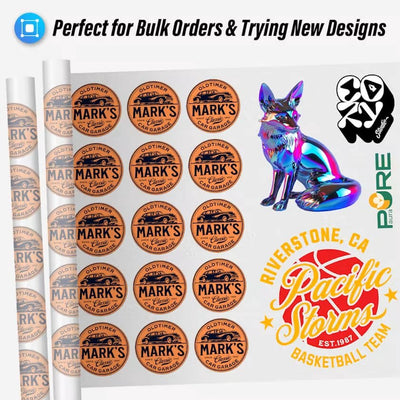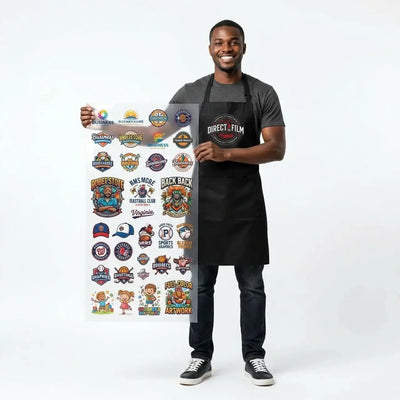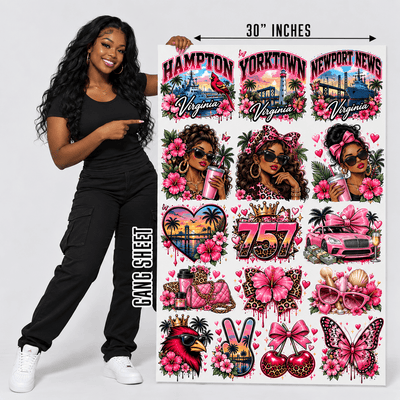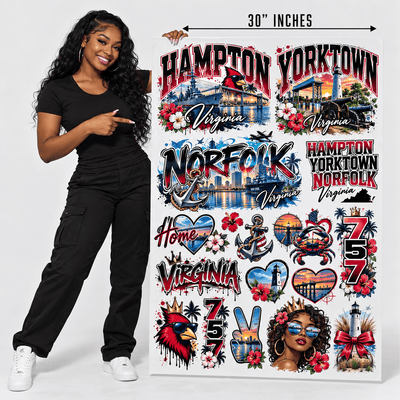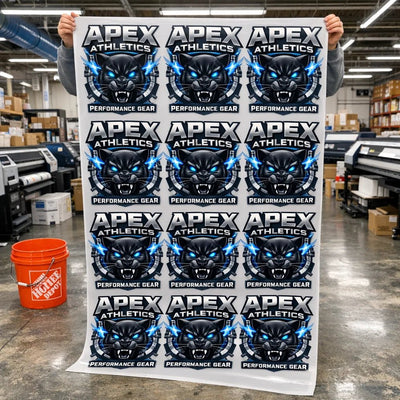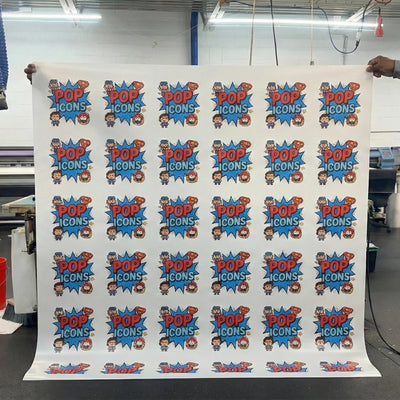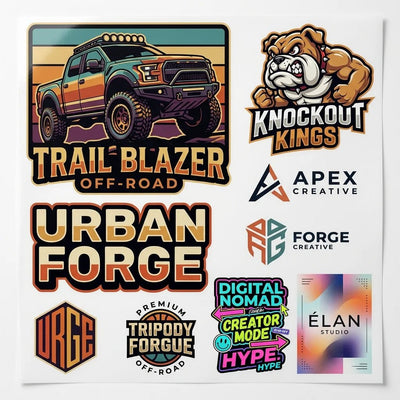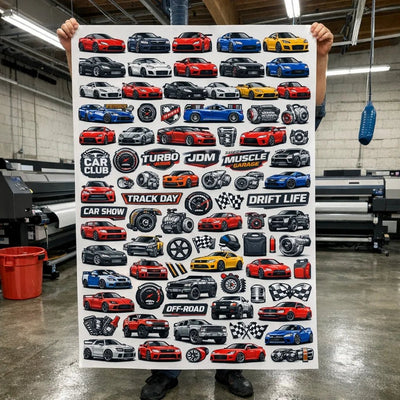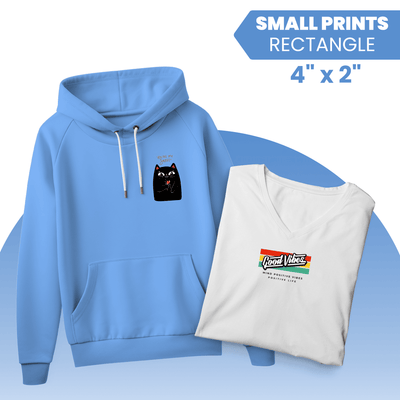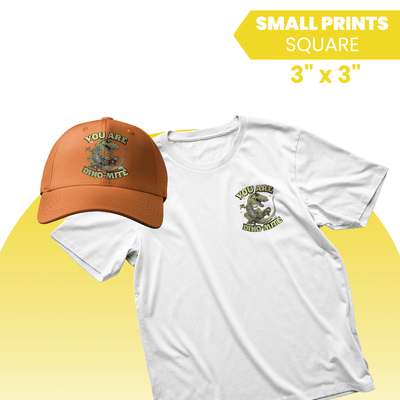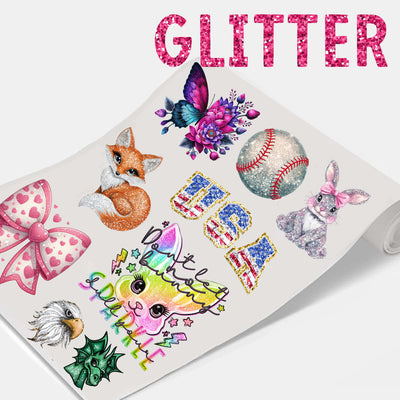
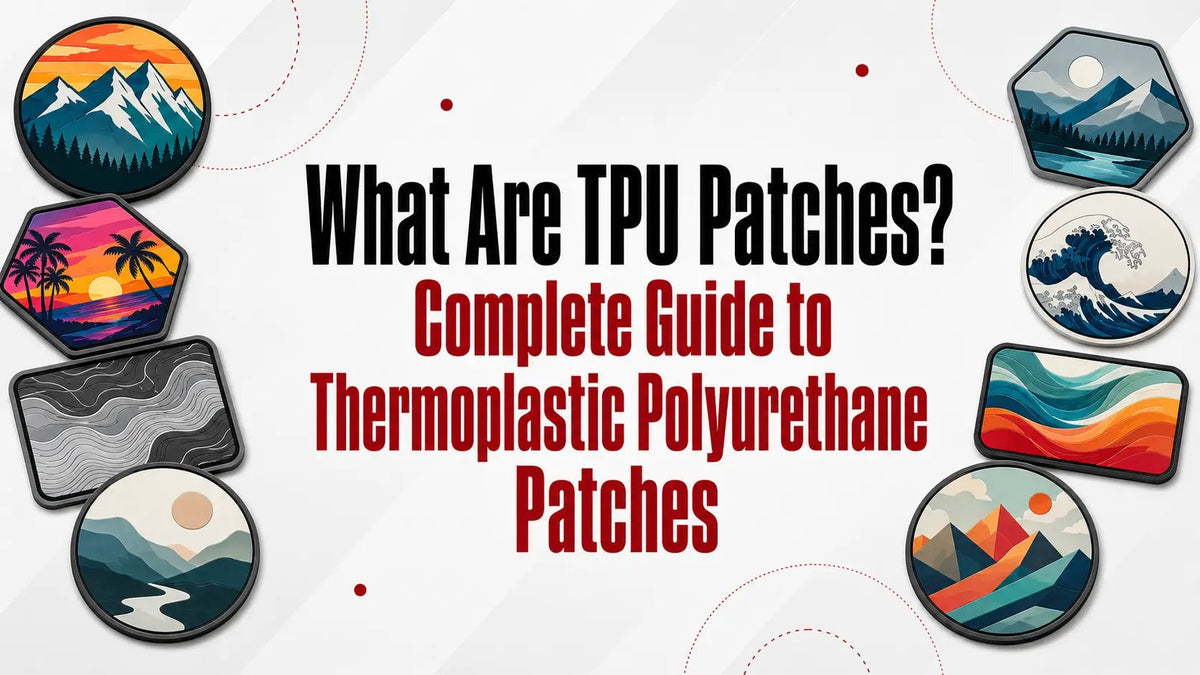
TPU patches are durable, flexible patches made from thermoplastic polyurethane, a synthetic polymer. These patches combine flexibility with water resistance, making them ideal for outdoor gear and high-performance apparel.
Understanding what TPU patches are helps you choose the right solution for your specific needs.
TPU Definition and Material Basics
What Does TPU Stand For?
TPU stands for thermoplastic polyurethane, a synthetic polymer material. This material combines properties between rubber and plastic. TPU has become popular in industries requiring durable, flexible, and water-resistant components.
TPU Material Composition
TPU combines the flexibility of rubber with the processability of plastic. This combination makes TPU suitable for demanding applications. The material is engineered to resist degradation while maintaining durability.
How TPU Differs from Regular Plastic
Regular plastic is rigid and breaks easily under stress. TPU remains flexible even under tension and temperature changes. This makes TPU ideal for patches that move with fabric without cracking.
TPU Patch Properties and Characteristics
Water and Moisture Resistance
TPU patches naturally repel water and resist moisture. Unlike fabric patches that absorb water, TPU sheds moisture effectively. This makes TPU ideal for outdoor gear and water-exposed applications.
Flexibility and Durability
TPU patches maintain consistent flexibility across temperature ranges. The material doesn't become brittle in cold or sticky in heat. This ensures patches remain secure in any climate.
Color Vibrancy and Fade Resistance
TPU accepts dyes and pigments exceptionally well. Colors remain vibrant through years of exposure. UV resistance prevents fading, maintaining branded logos far longer than traditional materials.
Lightweight and Comfortable
TPU patches are lighter than rubber or leather. The lightweight nature makes them comfortable for wearable applications. Customers appreciate patches that protect without adding bulk.
How TPU Patches Are Made
Raw Material Processing
TPU material starts as pellets that manufacturers heat and process. The material is shaped into sheets or directly formed into patch shapes. Processing conditions control the final flexibility and durability of finished patches.
Design and Customization
TPU patches can be cut into virtually any shape needed. Manufacturers create complex designs with intricate details using precision cutting. Custom branding and personalization are easily achievable, making TPU ideal for branded merchandise and promotional items.
Printing Methods
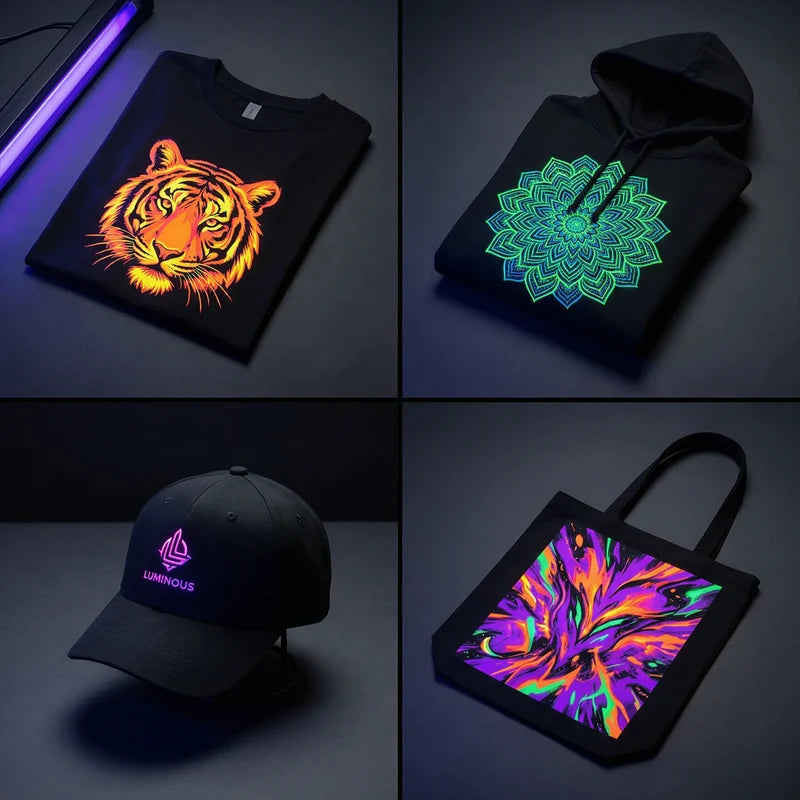
UV printing onto TPU creates vibrant designs bonded directly to the material. Screen printing works well for simpler designs with fewer colors. Sublimation printing transfers detailed designs into TPU surfaces for photographic quality results.

TPU Patch Applications and Uses
Outdoor Gear and Equipment
Backpacks and outdoor clothing benefit from TPU's water resistance. The material maintains integrity in wet environments. Explore TPU waterproof patch options for outdoor performance expectations.
Athletic and Sports Apparel
Athletic brands use TPU patches for durability during intense activity. Patches flex with body movement without losing adhesion. Sports uniforms frequently feature TPU patches for reliable protection.
Military and Work Uniforms
Military and professional gear require patches that survive extreme conditions. TPU patches maintain integrity through repeated washing and field use. The durability makes TPU ideal for long-term uniform applications.
Water Sports Equipment
Swimwear and water sports gear demand water-resistant patches. TPU excels in saltwater and pool environments. The material's flexibility suits water-based activities.
TPU vs Other Patch Materials
TPU vs Fabric Patches
Fabric patches absorb water and deteriorate in wet conditions. TPU repels water and maintains integrity. TPU delivers superior durability and water resistance.
TPU vs Rubber Patches
Rubber patches are waterproof but stiffer than TPU. Rubber can crack in cold or stick in heat. TPU maintains consistent performance across temperatures.
TPU vs Woven Patches
Woven patches lack water resistance and fray easily. TPU's sealed edges and water resistance exceed woven durability significantly.
TPU vs Sublimation Patches
Sublimation patches offer excellent color but limited flexibility. TPU provides both color quality and superior flexibility. Learn how sublimation patches compare for aesthetic requirements.
Advantages of TPU Patches
Superior Water Resistance
Water resistance is TPU's defining advantage. Applications exposed to moisture benefit from TPU's water-repelling properties. This justifies TPU selection for outdoor applications.
Long-Term Durability
TPU patches maintain functionality for 5+ years. The material resists degradation from sun and moisture. Long lifespan reduces replacement needs and costs.
Comfortable Wearing Experience
TPU's flexibility means patches don't crack on clothing. The lightweight nature prevents stiffness. End-users appreciate the comfort during active use.
Professional Aesthetic
TPU patches have a contemporary appearance. The clean look contrasts with traditional patches. Premium aesthetic supports higher product pricing.

Durability and Performance
Heat and Temperature Resistance
TPU withstands temperatures from -20°F to 140°F. The material maintains properties across climate extremes. This makes TPU suitable for diverse environments.
Chemical and UV Resistance
TPU resists degradation from chemicals and solvents. Understanding polymer material standards helps verify that quality TPU meets recognized durability requirements. UV protection prevents fading from sun exposure.
Mechanical Durability
TPU patches resist cracking, tearing, and peeling during use. Testing demonstrates TPU maintains integrity through thousands of flex cycles. This durability ensures patches survive intense activity.
Choosing TPU Patches for Your Needs
When to Choose TPU
Select TPU for applications requiring water resistance and durability. Outdoor gear and branded merchandise benefit from TPU's superior properties. Premium product positioning justifies TPU selection when quality matters.
Cost and Value
TPU costs more than basic fabric patches. The investment pays off through reduced replacement needs. Total cost of ownership favors TPU for long-term applications.
Custom TPU Options
TPU accepts custom designs and branding easily. Manufacturers create personalized patches matching specific guidelines. Order UV-printed custom TPU patches for professional-grade customization and durability.
TPU Patch Care and Maintenance
Cleaning and Washing
TPU patches survive machine washing without damage. Normal detergent and temperatures are safe. Regular cleaning helps remove surface contaminants.
Storage and Preservation
Store TPU-patched items in cool, dry conditions. Long-term storage doesn't affect TPU material. Proper conditions extend lifespan beyond typical use.
Repair and Replacement
TPU patches can be replaced if damaged. Professional application restores functionality. Replacement costs remain minimal.
Conclusion
TPU patches represent the best choice for applications demanding water resistance, flexibility, and durability.These synthetic polymer patches outperform traditional materials in demanding environments. Whether for outdoor gear, athletic apparel, or branded merchandise, TPU delivers superior performance and longevity.