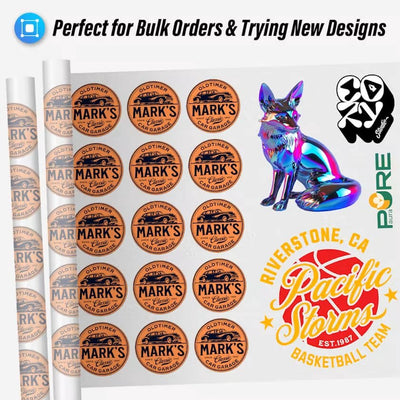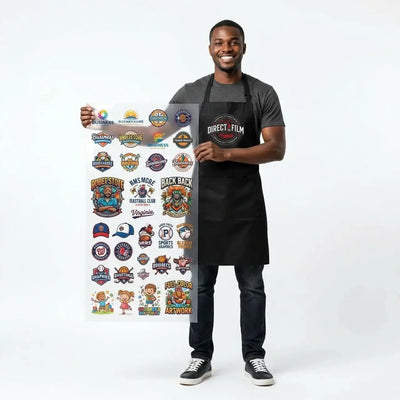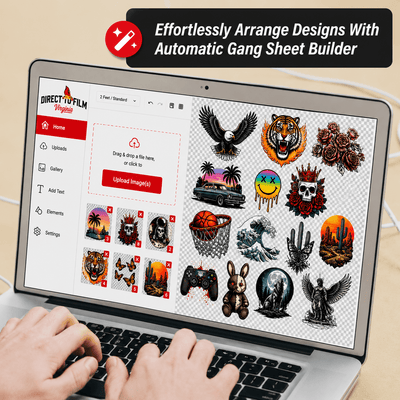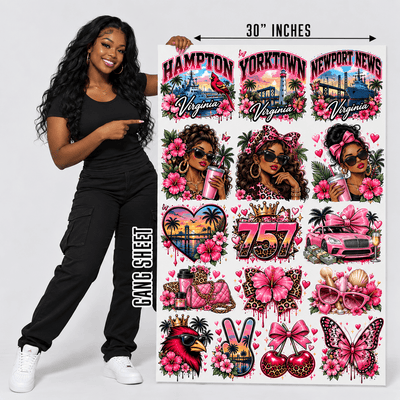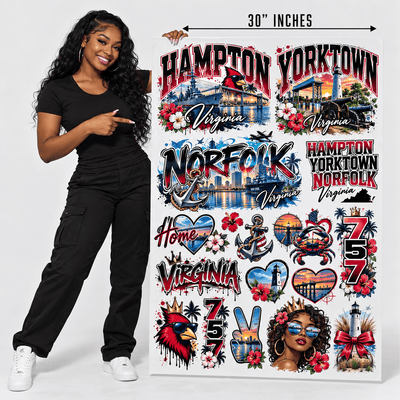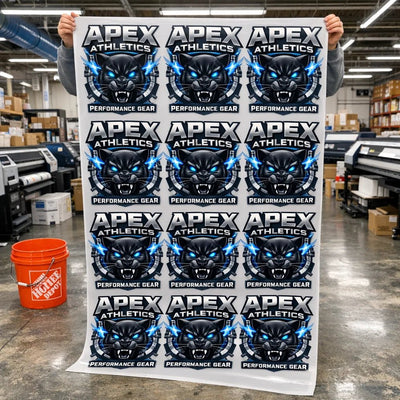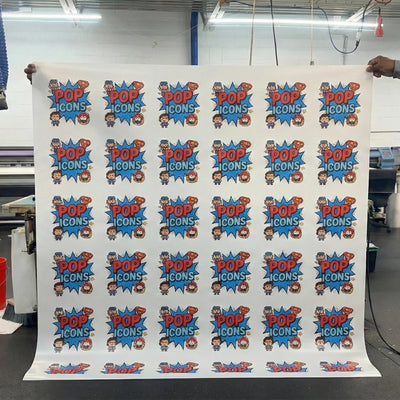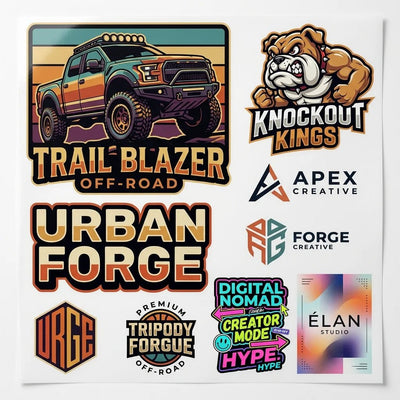
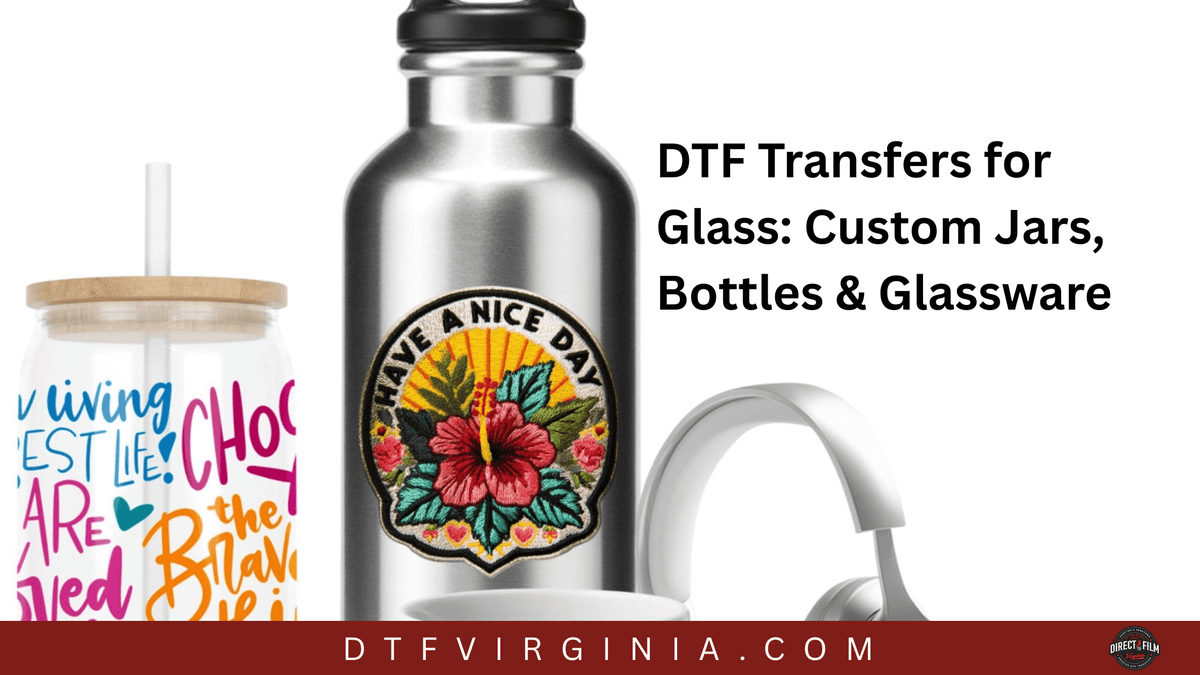
DTF transfers work on glass surfaces including mason jars, wine glasses, bottles, and decorative glassware. UV DTF transfers are specifically designed for hard surfaces like glass with peel-and-press application that doesn't require heat pressing.
Custom glass items serve gift packaging, promotional products, wedding favors, and retail merchandise needs where personalization adds value.
How DTF Works on Glass
DTF transfers bond to glass through adhesive rather than heat absorption like fabric. The application process requires different techniques than textile printing.
Surface Preparation
Clean glass thoroughly before application. Remove oils, dust, fingerprints, and residue using isopropyl alcohol. Any contamination prevents proper adhesive bonding and causes peeling. Dry completely before applying transfers. Smooth glass accepts transfers better than heavily textured surfaces.
Application Method
Apply DTF transfers to glass using moderate heat and pressure. Lower temperatures than fabric application prevent thermal shock to glass. The proper pressing technique differs from textile applications. Curved surfaces like bottles require careful alignment.
Adhesive Bonding
The cured adhesive creates mechanical and chemical bonds with glass surfaces. Unlike fabric where heat opens fibers, glass bonding relies entirely on adhesive strength. Quality adhesive formulation determines durability on non-porous surfaces like glass.
Applications for Glass DTF
Glass transfers serve multiple markets where customization adds value or personalization enhances products.
Mason Jars and Storage
Custom mason jars work for gift packaging, kitchen organization, wedding favors, and craft projects. Apply names, dates, designs, or instructions directly to jars. The transfers survive filling, emptying, and hand washing when properly applied. Bath salts, cookie mixes, and homemade preserves sell better in customized packaging.
Wine Glasses and Drinkware
Personalized wine glasses, champagne flutes, and beer mugs serve wedding parties, corporate gifts, and special events. Add names, wedding dates, company logos, or custom artwork to glassware. Event glassware becomes memorable keepsakes rather than disposable items.
According to the Specialty Graphic Imaging Association, personalized drinkware remains among the top promotional product categories. Promotional drinkware for bars and breweries builds brand visibility. For ceramic mugs and tumblers, dye sublimation transfers offer another customization option.
Bottles and Containers
Custom bottles work for small-batch products, promotional packaging, and special edition releases. Beverage companies, cosmetic brands, and specialty food producers use decorated bottles to differentiate products. Limited edition bottles with custom DTF prints create collectible packaging.
Decorative Glassware
Photo frames, vases, candle holders, and decorative plates accept DTF transfers for home decor and gift items. Personalized glass decor sells at craft fairs, online marketplaces, and gift shops. The ability to create unique pieces without minimums supports small business creators.
Durability and Care
Glass applications face different wear patterns than fabric, affecting longevity expectations and care requirements.
Hand Washing Performance
DTF transfers on glass survive gentle hand washing with mild dish soap and warm water. Avoid abrasive scrubbers that scratch through the transfer. Hand washing extends transfer life significantly compared to machine washing. Soft sponges or cloths clean effectively without damaging prints.
The transfers maintain appearance through repeated gentle cleaning when properly applied and cured.
Dishwasher Considerations
Dishwasher safety varies by transfer quality and application technique. High heat, harsh detergents, and water pressure stress glass transfers. For maximum longevity, recommend hand washing for customized glassware to preserve print quality longer.
Temperature Resistance
Avoid extreme temperature changes with decorated glass. Thermal shock from hot-to-cold transitions stresses both glass and adhesive. Room temperature to warm dishwater poses minimal risk but boiling-to-freezing extremes may cause failure. Microwave safety depends on transfer composition.
Design Considerations
Glass surfaces present unique design opportunities and limitations compared to fabric applications.
Color Vibrancy on Glass
Colors appear differently on clear versus colored glass. White underbase layers improve color vibrancy on clear glass. Dark glass requires opaque base layers for visibility. Vibrant colors demand proper layering techniques on glass surfaces.
Placement and Sizing
Consider functional areas when placing designs. Drinking rims, gripping areas, and bases require design-free zones for comfort. Center designs were visible during use and display. Strategic placement maximizes visual impact without interfering with functionality.
Detail and Complexity
Glass accepts fine details well due to its smooth surface. Intricate logos, small text, and photographic images transfer clearly. The lack of texture allows maximum detail reproduction. Complex designs that might struggle on textured fabrics work excellently on glass.
Comparing to Other Glass Decoration
DTF offers advantages over traditional glass decoration methods for certain applications.
DTF vs Vinyl Decals
Vinyl decals peel and reposition easily but look less integrated than DTF transfers. DTF sits flatter and appears more permanent. Vinyl durability differs from DTF adhesive bonding. Vinyl works better for temporary applications while DTF suits permanent decoration.
Color complexity favors DTF. Full-color photographic images require DTF while simple logos work fine as vinyl.
DTF vs Etching
Glass etching creates permanent, dishwasher-safe decoration through surface modification. Etching offers superior durability but limits color to frosted appearance. DTF provides full color at lower per-unit costs for short runs. Etching suits high-volume permanent needs while DTF fits custom small batches.
Commercial Applications
Businesses across industries use glass DTF for various purposes.
Wedding and Event Industry
Wedding planners and event coordinators order custom glassware for receptions, favors, and gifts. Personalized champagne flutes, mason jar centerpieces, and wine glasses create memorable details. The ability to order exact quantities without minimums suits the event merchandise model.
Small Batch Production
Craft beverage producers, specialty food companies, and artisan product makers use custom glass containers to differentiate products. Small production runs benefit from DTF's low minimum quantities. Launch limited editions or test markets without committing to thousands of units.
The customization positions products as premium offerings worth higher price points.
Corporate Gifts and Promotion
Companies order branded glassware for employee gifts, client appreciation, and promotional giveaways. Logo placement on quality drinkware creates lasting brand impressions. Recipients use branded glasses regularly, providing ongoing exposure.
Corporate gifting budgets often justify higher per-unit costs for perceived quality and uniqueness.
Working with Glass DTF Suppliers
Source glass transfers from suppliers experienced with non-fabric applications. Application techniques, adhesive formulations, and durability expectations differ from textile DTF. Request samples on actual glass to evaluate quality before ordering.
Discuss intended use, washing requirements, and durability needs upfront. Suppliers can recommend appropriate materials and techniques for specific applications. Avoiding common mistakes requires understanding glass-specific considerations.
Final Words
DTF transfers on glass create custom jars, bottles, and glassware for gifts, events, and commercial products. The process differs from fabric application but delivers vibrant, detailed designs on smooth glass surfaces. Hand washing preserves transfers longest while design placement and color choices affect final appearance.
Glass DTF suits small batches, custom orders, and personalized items where traditional decoration methods prove impractical or expensive.