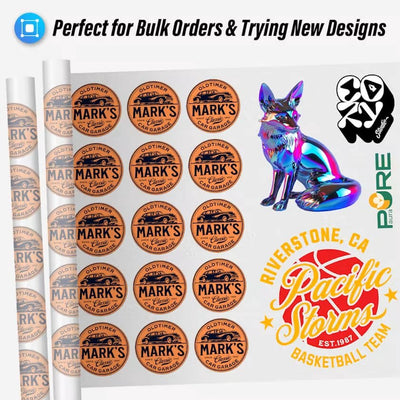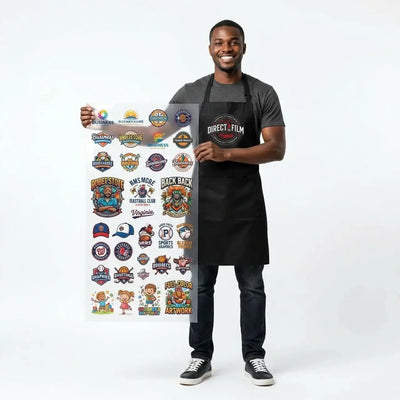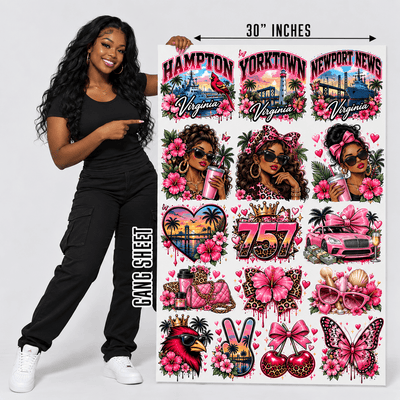
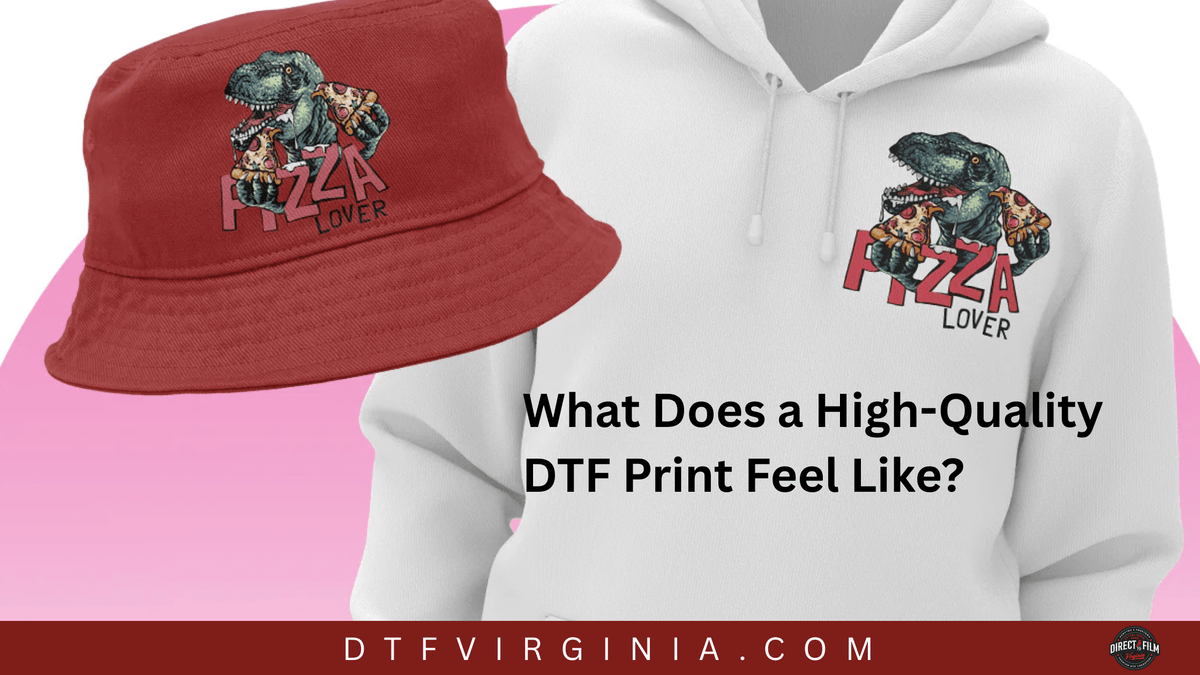
A high-quality DTF print feels soft, flexible, and barely noticeable on fabric. The transfer should move naturally with the garment without stiffness or thickness that creates texture differences.
Understanding what quality DTF prints feel like helps identify good suppliers and recognize application problems.
Texture and Hand Feel
The tactile experience of a DTF print reveals its quality level. Premium transfers integrate smoothly with fabric texture.
Soft Surface
Quality DTF prints feel smooth to touch, not rough or plasticky. The cured adhesive creates a matte surface that resembles fabric texture. Running your hand across a well-applied transfer should not create obvious texture change. Rough prints indicate poor adhesive quality or incorrect application settings.
Minimal Thickness
Premium DTF transfers add minimal thickness to fabric. The print should feel like a thin layer rather than a thick coating. Quality transfers appear as subtle additions rather than obvious raised layers. Thick prints indicate excessive ink application or incomplete powder removal before curing.
Flexibility and Movement
How transfers flex and move with fabric determines comfort and durability.
Natural Flex
Bend the printed area gently. Quality DTF transfers flex with the fabric without resistance or cracking sounds. Stiff transfers feel uncomfortable and crack sooner. Test flexibility by stretching the fabric slightly.
The transfer should stretch proportionally without visible stress. Premium adhesive formulations maintain elasticity that matches common fabric types.
No Cracking or Breaking
Fold the printed section sharply and unfold it. Quality transfers show no cracks, white stress lines, or adhesive failure. Repeat this fold test several times. Durable prints withstand repeated flexing without degradation. Immediate cracking indicates brittle adhesive from over-pressing or poor material quality.
Weight and Drape
Print weight affects how garments hang and move.
Light Weight
Quality DTF transfers add negligible weight to garments. You should not notice the weight difference between printed and blank areas. Heavy prints indicate excessive material application. The garment should drape naturally without the print affecting fabric fall.
Maintained Drape
Printed areas should hang and flow like unprinted fabric. Quality transfers do not create stiff spots that disrupt natural fabric movement. Stiff prints that prevent natural drape indicate over-application or poor adhesive flexibility.
Breathability
Print breathability affects comfort during wear.
Air Permeability
Quality DTF transfers maintain some fabric breathability. While no transfer allows airflow like blank fabric, premium prints minimize breathability loss. Test breathability by holding printed fabric to your mouth and breathing through it. Quality transfers restrict airflow less than thick prints.
Moisture Management
On moisture-wicking fabrics, quality DTF prints should not completely block wicking properties. The transfer area may wick moisture more slowly but should not create completely non-breathable spots. Poor quality transfers create waterproof barriers that trap moisture and feel clammy during exercise.
Temperature Feel
How prints feel against skin reveals quality differences.
Room Temperature Touch
At room temperature, quality prints feel similar to fabric temperature. Temperature difference indicates thick adhesive layers. Wear the garment for a few minutes. Quality transfers quickly reach body temperature and feel integrated with fabric.
After Washing
Fresh from the dryer, quality prints should not feel significantly hotter than fabric. Thick adhesive retains heat longer, creating uncomfortable hot spots. Premium transfers cool at similar rates to fabric.
Wear Comfort
How transfers feel during actual wearing determines garment satisfaction.
No Skin Irritation
Quality DTF prints should not cause itching, chafing, or skin irritation during wear. The smooth surface and flexibility prevent friction. Properly cured transfers contain no uncured chemicals that might irritate sensitive skin. Quality suppliers use skin-safe adhesive components.
Freedom of Movement
Prints should not restrict movement or create pulling sensations. Stretch your arms, bend, and move naturally while wearing the garment. Quality transfers move seamlessly with these motions. The transfer should perform invisibly during all normal activities.
Durability Indicators
Feel can predict transfer longevity.
Edge Integration
Run your finger along the transfer edges. Quality prints have smooth transitions where transfer meets fabric. Raised edges that catch your fingernail indicate poor adhesion. Smooth edge integration signals good bonding that resists separation.
Surface Consistency
Quality prints feel uniform across their entire surface. Inconsistent texture indicates uneven powder application or curing problems. These variations create weak points that fail during washing. Press your finger firmly against different areas. Consistent resistance shows proper adhesive distribution, which is critical for long-lasting transfers.
Comparison to Other Methods
DTF print feels different from other decoration techniques.
Versus Screen Printing
Traditional plastisol screen printing feels thicker and more plastic-like than quality DTF. DTF provides a softer hand feel with comparable durability. Water-based screen printing feels similar to DTF but costs more.
Versus Embroidery
Embroidery creates a raised texture and thread feel that DTF cannot match. DTF offers a smoother feel that many find more comfortable for regular wear. The choice depends on desired aesthetic and application.
Versus Vinyl
Heat transfer vinyl feels thicker and less breathable than DTF. Vinyl creates more noticeable texture difference and restricts fabric movement more than quality DTF. DTF provides a more integrated feel that resembles printed-in graphics rather than applied materials.
Testing Before Purchase
Evaluate supplier quality through samples.
Request Physical Samples
Before committing to production orders, request actual pressed samples from suppliers. Online photos cannot convey tactile quality. Physical samples let you feel texture, flexibility, and weight firsthand.
Test samples through washing cycles before production. Quality that feels good initially must maintain that feel through laundering. Reliable suppliers provide samples knowing their quality withstands testing.
Compare Multiple Sources
Order samples from several DTF providers to compare feel differences. Quality variation between suppliers becomes obvious through direct comparison. The softest, most flexible samples with smooth surfaces come from premium sources.
Price often correlates with feel quality. The cheapest supplier rarely produces the best-feeling prints. Mid to high-range pricing typically delivers quality that feels professional and durable.
Application Impact on Feel
Press technique affects final tactile quality.
Temperature Effects
Over-pressing creates a harder, more brittle feel. The adhesive over-cures and loses flexibility. Under-pressing produces transfers that feel less integrated with fabric and may have tackiness. Correct temperature produces optimal softness and flexibility.
Pressure Impact
Excessive pressure compresses the adhesive too thin, sometimes creating glossy, hard finish. Insufficient pressure leaves the adhesive layer thicker, creating more noticeable texture. Proper pressure balances thin application with complete bonding for best feel.
Final Words
High-quality DTF prints feel soft, flexible, and barely noticeable during wear. They add minimal thickness and weight while maintaining fabric drape and breathability. Quality transfers flex naturally without cracking, integrate smoothly at edges, and feel consistent across their surface.
Test physical samples before production, compare multiple suppliers, and verify that good initial feel persists through washing.
Premium DTF printing from DTF Virginia delivers a professional appearance with comfortable, barely-there feel that customers appreciate.