Yes, all custom shirts fade eventually, but fading rates vary dramatically by print method, fabric type, ink quality, and care practices. Some prints fade noticeably after 10 washes while others maintain vibrancy through 100+ cycles.
Understanding what causes fading and how different printing methods resist it helps set realistic expectations and choose the right decoration technique.
Why Custom Prints Fade
Fading results from multiple factors that degrade ink and weaken color intensity over time.
Washing Damage
Detergents, agitation, and hot water gradually break down printed colors. Each wash cycle removes microscopic amounts of ink or weakens color bonds. The severity depends on water temperature, detergent strength, and wash cycle intensity.
Cheap prints show visible fading after 5-10 washes while quality prints maintain appearance through 50+ wash cycles.
UV Light Exposure
Sunlight breaks down organic colorants through photodegradation. Shirts worn outdoors or stored in sunny locations fade faster than those kept in darkness. UV exposure affects certain colors more severely, with reds and purples fading faster than blues and blacks.
Outdoor event shirts and workwear face higher UV exposure than casual garments.
Fabric Type Impact
Different fabrics hold prints differently. Cotton absorbs ink into fibers while polyester relies more on surface adhesion. Fabric composition influences both initial color vibrancy and long-term fade resistance. Natural fibers generally show fading differently than synthetics.
Print Method Fade Resistance
Different decoration techniques resist fading at different rates.
DTF Print Longevity
DTF transfers use pigment inks designed for wash durability. The cured adhesive layer protects ink from direct detergent contact. Quality DTF prints survive 50-100 washes before significant fading when properly applied and cared for. The print fades gradually rather than suddenly losing color.
Inferior DTF products using cheap inks or weak adhesive fade much faster. Source quality matters significantly for longevity.
Screen Printing Fade Rates
Plastisol screen printing offers excellent fade resistance through thick ink deposits. The ink cures into a durable plastic layer that resists washing and UV exposure. Water-based screen prints fade faster but feel softer. Plastisol can outlast DTF on simple designs with proper curing.
Direct-to-Garment Comparison
DTG printing embeds ink directly into fabric fibers. The prints feel very soft but typically fade faster than DTF or screen printing. DTG uses water-based inks that penetrate cotton well but lack the protective layer that DTF adhesive provides. Expect noticeable fading after 20-30 washes with standard DTG.
Premium DTG inks and proper pretreatment improve longevity. DTG versus DTF shows different durability characteristics.
Heat Transfer Vinyl Durability
Quality vinyl outlasts most ink-based methods when properly applied. Vinyl creates a separate layer bonded to fabric through adhesive. It resists fading extremely well but can peel or crack before color loss becomes visible. Vinyl colors stay vibrant for years but the material itself may fail mechanically.
Factors Affecting Fade Speed
Beyond the print method, several variables control how quickly shirts lose color.
Ink Quality
Premium pigments resist fading better than cheap colorants. Pigment particle size, chemical stability, and UV inhibitors all affect fade resistance. Low-cost inks sacrifice durability for price. You cannot identify ink quality visually without testing.
Application Quality
Proper curing, correct temperature, and adequate pressure ensure maximum ink adhesion. Under-cured prints fade quickly because the colorant never fully bonds. Following proper application techniques maximizes fade resistance. Correct pressing parameters protect print longevity.
Garment Care
Wash temperature dramatically affects fading speed. Hot water accelerates color loss while cold water preserves prints. Turning garments inside out protects prints from abrasion. Avoiding chlorine bleach prevents chemical damage. Cold water washing doubles longevity compared to hot water for most print types.
Color-Specific Fading
Different colors fade at different rates due to their chemical structure.
Fast-Fading Colors
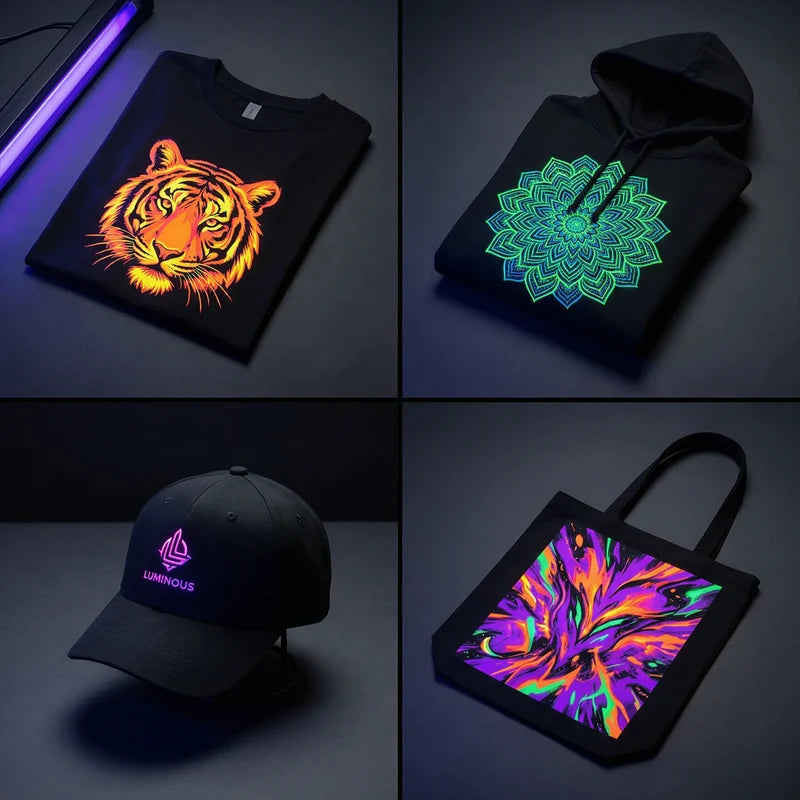
Reds, oranges, and purples typically fade faster than other colors. These colorants break down more easily under UV exposure and washing stress. Neon and fluorescent colors fade extremely quickly. Bright reds may fade to pink within 20-30 washes even with quality printing.
Fade-Resistant Colors
Black, navy blue, and dark greens resist fading best. These darker pigments require more degradation to show visible color change. Black stays vibrant longest across all print methods. Choose fade-resistant colors for workwear, uniforms, or applications requiring long-term appearance.
Realistic Expectations by Use Case
Different applications require different longevity standards.
Event Merchandise
Concert or festival shirts typically need to survive 10-20 washes before customers consider them "worn out." Most print methods easily meet this requirement. Focus on initial vibrancy and comfort over maximum fade resistance. Event merchandise priorities differ from workwear.
Event customers accept some fading as a normal vintage appearance.
Work Uniforms
Commercial uniforms need 50+ wash cycles with minimal fading. Industrial laundry conditions accelerate color loss. Choose print methods and colors proven for high-cycle durability. Replace uniforms based on print degradation rather than fabric wear.
Professional appearance requirements make fading less acceptable than casual wear.
Retail Apparel
Retail customers expect 30-50 washes minimum before noticeable fading. Product reviews mention premature fading more than any other print quality complaint. Meeting customer expectations prevents returns and negative feedback. Print quality includes both initial appearance and longevity.
Balance production costs against customer satisfaction requirements.
Minimizing Fade Rate
Specific practices slow the fading process significantly.
Washing Recommendations
Wash printed garments inside out in cold water. Use mild detergents without optical brighteners or bleach alternatives. Skip fabric softener as it can coat prints. Reduce wash frequency by spot-cleaning instead of full washing when possible. Air dry or use low heat dryer settings.
These practices apply to all print methods. Proper care makes a larger difference than print method choice for many applications.
Storage Practices
Store printed garments away from direct sunlight. Avoid humid storage areas that encourage mildew. Fold prints inside to prevent surface abrasion. Dark, dry, cool storage maximizes shelf life for inventory and seasonal clothing.
Light exposure during storage causes fading even without wear or washing.
Design Considerations
Avoid large solid areas of fade-prone colors. Use patterns or textures that disguise gradual color loss. Choose darker base garments where slight fading blends better. Design vibrant prints with fade resistance in mind from the start.
Strategic design choices extend the period before fading becomes objectionable.
Working with Quality Suppliers
Supplier selection determines baseline fade resistance. Request wash testing data showing color retention over specific cycle counts. Ask about ink brands and curing processes. Quality suppliers invest in materials and processes that minimize fading.
Avoiding common printing mistakes requires working with experienced providers who understand fade resistance requirements.
Final Words
All custom shirts fade eventually, but quality printing with proper care maintains vibrancy through dozens or hundreds of washes depending on method and materials.
DTF, screen printing, and vinyl each offer different fade resistance characteristics suited to different applications.
Understanding realistic expectations for your specific use case helps choose appropriate methods and set customer expectations accurately.