When a client needs 30 DTF-printed customized hoodies by Friday, your production method becomes a survival strategy. Some printing methods break under pressure, and others quietly work under urgent situations without compromising results.
DTF printing for businesses on tight deadlines often stands out, but its real advantage isn’t obvious at first glance. What makes it dependable when timelines shrink, orders change, and you want the same quality standard? This is what you need to learn!
What is the DTF Printing Process?
The DTF printing for businesses offers a process that is fast, flexible, and consistent. Instead of printing directly onto garments, you can follow this easy process:
-
First, prepare the design in a suitable format with correct sizing, transparency, and white ink layering.
-
Then print the design onto a special PET film using DTF inks, with white ink laid beneath the colors.
-
When the ink is still wet, apply a heat-activated adhesive powder evenly to the printed design.
-
Then cure the powdered film using controlled heat and bond the adhesive to the ink without over-drying or burning it.
-
Now place the cured transfer on the garment and heat-press at the set temperature, time, and pressure.
-
In the end, peel off the transfer hot or cold, depending on the film or transfer type. Then, perform the final press to ensure durability and a smooth finish.
Why DTF is Best For Rush Orders?
Here are a few reasons why DTF printing beats slow setups:
Minimal Setup Time
Screen printing is incredibly fast once it’s set up, but setup is the major hurdle on short runs and frequent design changes. DTF stands out for small to medium quantities and is a time-sensitive situation due to its fast setup.
Batch Transfers
If you are handling multiple orders, you can print/cure transfers in batches, then press as garments are sorted by size and color. That keeps the heat press running, and the printer can work on the next job.
Versatility Across Fabrics
DTF works on many fabric types and blends, and reduces 'uh no' moments when a client switches from cotton tees to poly hoodies at the last minute.
How To Speed Up DTF Workflow For Tight Deadlines?
Here is a workflow that prioritizes speed without sacrificing reprint rates.
Step 1: Preflight Artwork
Do this every time:
-
Convert text to outlines or embed fonts
-
Check the resolution, and the target must be 300 DPI at the final size
-
Confirm transparent background in PNG where needed
-
Add white underbase settings correctly, especially for dark garments
-
Validate brand colors like Pantone/CMYK
Speed tip: Create a one-page DTF Print Spec that you send to your clients. The fewer back-and-forths, the faster you ship.
Step#2: Gang Sheets Production
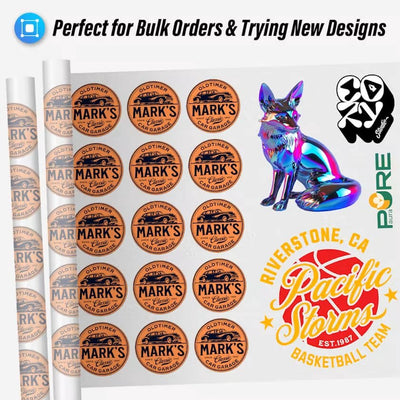
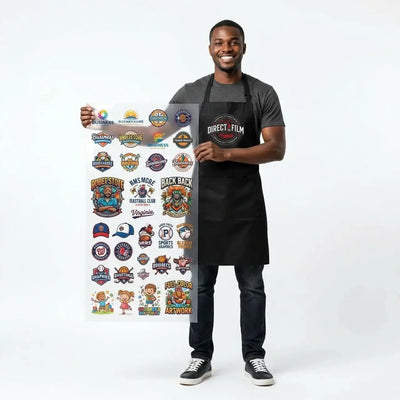
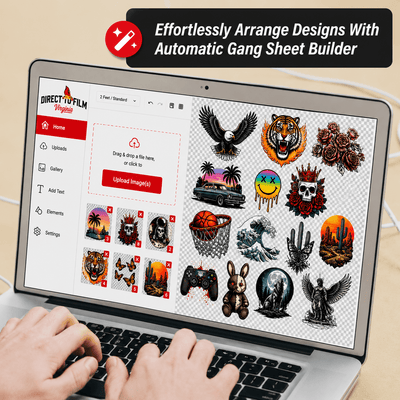
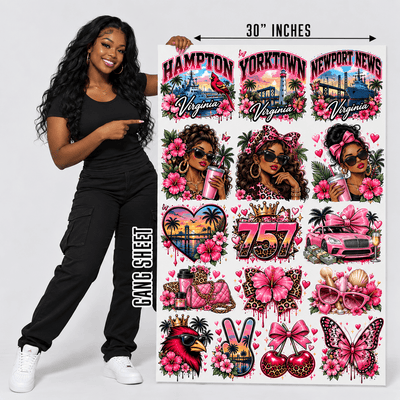
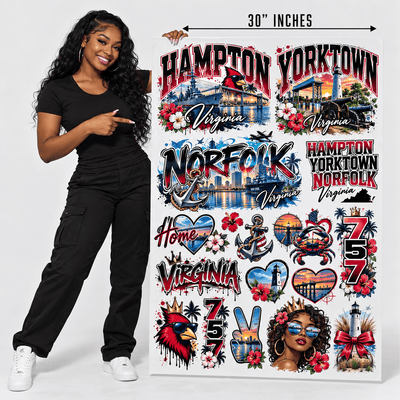
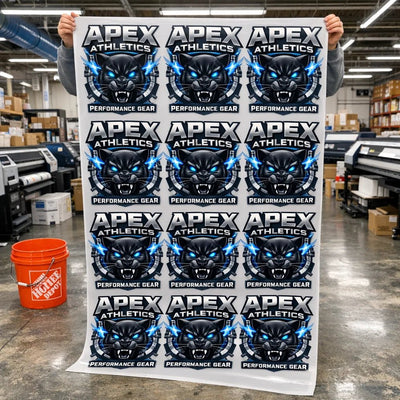
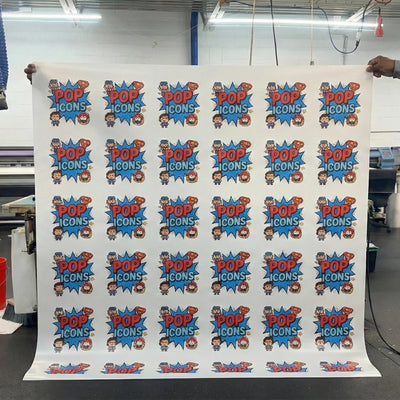
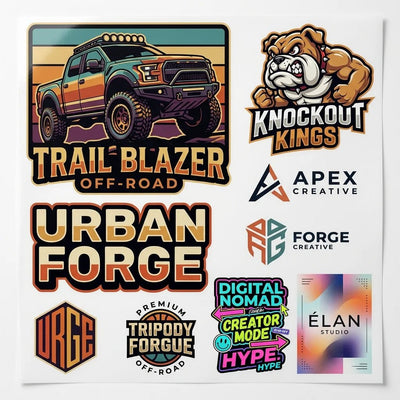
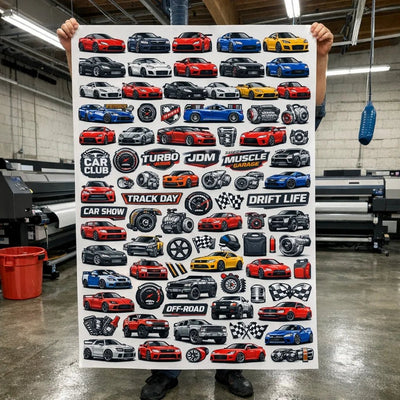
For rush orders, efficiency starts with how you organize your prints. Gang sheets allow multiple designs to print on a single film. It can reduce print time and material waste and speed up production. Here are a few best practices:
-
Group designs by garment type and press settings to avoid resetting temperature and pressure between presses.
-
Maintain proper cut spacing between designs to speed up trimming and prevent edge damage.
-
Position time-critical designs first from the top-left of the sheet so they are cut and pressed before the rest.
Step#3: Printing & Powder Application
DTF transfer quality depends on the stability of three elements: ink, adhesive powder, and curing. Rushing this step increases failure rates. The quality control includes:
-
Apply even adhesive powder coverage across the printed area.
-
Shake off excess powder to prevent texture buildup and edge defects.
-
Avoid clumps, as they lead to uneven adhesion and visible press marks.
Step#4: Proper Curing
Curing activates the adhesive and prepares the transfer for bonding. This stage is often compromised under deadline pressure, leading to long-term print failure.
-
Under-curing can cause cracking or peeling after washing.
-
Over-curing can reduce flexibility, adhesion strength, and overall feel.
The goal is controlled, even heat, just enough to set the adhesive layer without degrading it. Consistent curing ensures durability and predictable press results.
Step#5: Heat Press with Repeatable Settings
The heat press stage is the final manufacturing step, not a finishing touch. You can also learn how to apply DTF transfers with the press. To maintain repeatable results:
-
Standardize pressure across jobs and use a pressure gauge when possible.
-
Set temperature and time presets by fabric type to avoid mistakes.
-
Maintain a press log for each blank brand and model to ensure reorders match previous results.
DTF prints bonds when heat and pressure reactivate the adhesive and lock it into the fabric fibers. Without consistent pressing, even perfectly printed transfers can fail.
Two Winning Models for Fast-Paced Businesses
In-House DTF For Maximum Speed Control
In-house is fast, but only if you plan for maintenance, supplies, and downtime. It is best if you have:
-
Daily/weekly rush volume
-
Many small custom orders
-
A need to control quality and deadlines tightly
Outsource Transfers With Press In-House
This hybrid model is especially strong for agencies, team merch sellers, and event vendors. If you can press in-house, outsourcing transfers can give you:
-
No printer maintenance
-
Predictable unit pricing
-
Faster scaling when demand spikes
What You Need To Hit 24–72 Hour Turnaround Reliably
The equipment you need includes:
-
DTF printer + RIP software
-
Powder shaker/oven or a controlled curing setup
-
Quality heat press with repeatable pressure and stable temperature
-
Cutting setup like a rotary cutter, trimmer, or plotter, depending on volume
Supplies you must stock:
-
Films (hot/cold peel depending on workflow)
-
DTF inks
-
Adhesive powder
-
Cleaning supplies and spare consumables like wipers, caps, etc.
-
Popular blank sizes/colors
Final Words
DTF printing method is one of the best for your business, which is efficient, and you have continuous orders. Outsourcing DTF apparel and in-house printing are two ways that can streamline your printing business. I hope this information helps you!