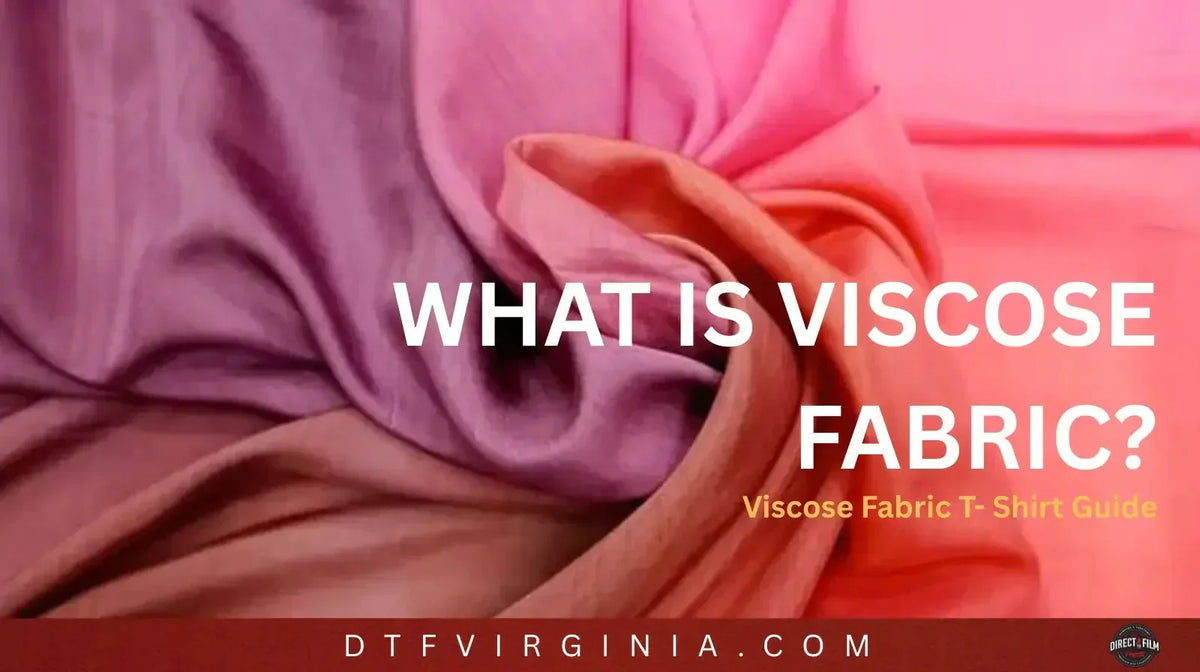
Viscose fabric is a semi-synthetic textile made from wood pulp, known for its soft, silk-like feel and breathability. It is widely used as an affordable alternative to natural fabrics like cotton and silk.
Key Takeaways
- Made from wood pulp (natural source)
- Chemically processed → semi-synthetic
- Soft, lightweight, breathable
- Common in clothing and textiles
If you’ve ever picked up a soft, flowy T-shirt and wondered why it feels so luxurious yet lightweight, chances are you were holding viscose fabric.
This silky, breathable material has quietly taken over everything from fashion runways to everyday wardrobe essentials especially in the world of custom printing and DTF apparel.
But what exactly is viscose? Is it a natural fabric or synthetic? Is it really as eco-friendly as people claim? And, most importantly is it good for printing?
In this guide, we’ll break down what viscose fabric really is, how it’s made, where it shines (and where it doesn’t), and how it stacks up against other favorites like cotton.
By the end, you’ll know whether viscose is the right fabric for your next print project or your next favorite outfit.
Table of Contents
- What Is Viscose Fabric?
- What Is Viscose Made From?
- Is Viscose Natural or Synthetic?
- Is Viscose Breathable?
- Is Viscose Eco-Friendly?
- Pros and Cons of Viscose Fabric
- How to Care for Viscose
- Printing on Viscose Fabric (DTF Perspective)
- Frequently Asked Questions (FAQ)
- Conclusion: Why Viscose Still Deserves a Spot in Your Closet
What Is Viscose Fabric?
Viscose fabric is a semi-synthetic material made from wood pulp and processed into a soft, breathable textile. It has same beautiful drape that makes silk feel so luxurious just without the high price tag.
In simple terms, it’s made from natural cellulose (that’s plant fiber) most often from wood pulp that’s processed to create fine, soft fibers. The result is a fabric that feels natural to the touch but behaves like something much more elegant.
Viscose can be woven to mimic the shine of silk, the breathability of cotton, or the smoothness of linen. You’ll find it in everything from lightweight tees and summer dresses to linings, upholstery, and even luxury loungewear.
What makes viscose so popular is that it’s comfortable, airy, and affordable, yet manages to look high-end. It’s a go-to choice for brands and creators who want a premium feel without premium costs and that includes people in the custom apparel and printing world.

What Is Viscose Made From?
Viscose is made from wood pulp, typically sourced from trees like bamboo, beech, or pine. Most viscose today is made from wood pulp, usually from fast-growing, renewable trees like beech, pine, or eucalyptus. Sometimes bamboo or cotton linters (the fluffy fibers left over from cotton processing) are used too.
Now here’s where the “semi-synthetic” part comes in.
Even though viscose begins as a natural material, it goes through a chemical process to turn that tough plant pulp into soft, wearable fibers.
Here’s a simplified version of how that happens without the chemistry class flashbacks:
-
Harvesting cellulose – The cellulose is extracted from wood pulp or bamboo.
-
Mixing with sodium hydroxide (caustic soda) – This breaks the cellulose down into a thick, spongy substance.
-
Aging and blending – The mixture is pressed, shredded, and left to “age” for a few days.
-
Xanthation – A reaction with carbon disulfide turns it into a thick, honey-like liquid (this is where viscose gets its name from “viscous”).
-
Spinning fibers – The liquid viscose is pushed through fine holes into an acid bath, which regenerates it into long, continuous fibers.
-
Washing and drying – The new fibers are cleaned, bleached, and spun into soft, ready-to-use yarns.
The result? A smooth, flowy fabric that feels natural but performs like something synthetic.
This unique process gives viscose its signature qualities softness, breathability, and beautiful drape while also allowing manufacturers to blend it with other fibers like cotton or polyester for even more durability or stretch.
However, it’s worth noting that the chemicals used in the viscose process have raised questions about its environmental impact. We’ll get into that a little later when we talk about eco-friendliness and how newer, more sustainable versions of viscose (like bamboo viscose and modal) are improving the process.
Properties of Viscose Fabric
-
Soft and smooth
-
Lightweight and breathable
-
Absorbs moisture
-
Drapes well
Is Viscose Natural or Synthetic?
Viscose is a semi-synthetic fabric made from natural wood pulp but processed using chemicals.
That might sound confusing, so let’s break it down.
Viscose starts as something natural cellulose, which comes from wood pulp or bamboo. On its own, cellulose is completely plant-based, like the stuff that gives trees their structure. But turning that tough plant fiber into something soft enough to wear takes a bit of science.
During the manufacturing process, that natural cellulose is dissolved and reformed through a series of chemical steps. The result is a regenerated fiber — one that looks and feels natural but has been chemically modified for softness, smoothness, and consistency.
So you can think of viscose as living in the “in-between zone”:
-
It’s not purely natural like cotton or linen.
-
But it’s not fully synthetic like polyester or nylon either.
It’s the best of both worlds natural comfort with synthetic versatility.
This is one reason viscose is so popular in custom apparel and DTF printing. It feels breathable and comfortable against the skin like natural fibers, but it’s also smoother and more uniform making it a great canvas for prints and designs.

Is Viscose Breathable?
Yes, viscose is a breathable fabric that allows air to circulate and helps keep the body cool.
That’s actually one of the reasons it’s become such a popular choice for both casual wear and custom-printed tees.
Because viscose comes from natural cellulose (plant fibers), it behaves a lot like cotton when it comes to airflow and moisture control. The fibers are light, porous, and absorbent, which means viscose helps your skin breathe instead of trapping heat and sweat.
So when you wear a viscose shirt or dress, you’ll notice:
-
It feels cool and airy, even in warm weather.
-
It absorbs moisture instead of repelling it, so you don’t feel sticky.
-
It has a soft, smooth texture that doesn’t cling to your skin.
That’s why viscose is often chosen for summer clothing, activewear, and DTF-printed apparel where comfort and feel matter as much as design.
However, there’s one thing to keep in mind: viscose can hold onto moisture longer than synthetics like polyester. So while it’s great for staying cool, it might take a little longer to dry if it gets wet.
If you live in a humid climate or plan to wear it for heavy activity, viscose blends (like viscose-cotton or viscose-spandex) can be a great alternative. They offer the same breathability with added durability and faster drying time. When comparing fabrics, sustainability is also important. You can read our guide on is viscose sustainable to understand its environmental impact.
Is Viscose Eco-Friendly?
It depends on how it’s made.
Viscose comes from renewable plants like wood pulp or bamboo, which gives it an edge over synthetic fibers such as polyester that rely on non-renewable oil. This means viscose has the potential to be more eco-friendly, especially when its raw materials are sourced responsibly.
The challenge lies in the production process. Converting plant fibers into fabric requires chemicals like sodium hydroxide and carbon disulfide, which can harm the environment if not properly treated. The process also uses significant water and energy, contributing to pollution and waste when managed poorly.
Today, many manufacturers are shifting toward closed-loop systems that recycle water and chemicals, reducing environmental impact. Some also use sustainably sourced cellulose from managed forests or fast-growing plants like bamboo.
So while traditional viscose isn’t always sustainable, modern viscose options like EcoVero™ and TENCEL™ are proving that softness and sustainability can coexist.
Bottom line: Viscose can be eco-friendly when made responsibly but harmful if not.
Is Viscose Sustainable?
Viscose can be sustainable depending on how it is produced. While it comes from natural wood pulp, the manufacturing process can have environmental impacts if not handled responsibly.
For a full breakdown, read our guide on is viscose sustainable.
Is viscose good quality?
Yes, viscose is considered a high-quality fabric due to its softness, breathability, and comfort, although it requires proper care to maintain durability.
Viscose vs Cotton
Viscose is softer and more lightweight, while cotton is more durable and easier to care for. Both fabrics are breathable, but viscose often feels cooler and more flowy.
For a detailed comparison, read our full guide on viscose vs cotton.
Pros and Cons of Viscose Fabric
Like every fabric, viscose has its strengths and its quirks.
It’s soft, breathable, and beautiful but it’s also a little delicate and sometimes misunderstood.
Let’s look at both sides so you can decide if it’s the right material for your next apparel or printing project.
The Pros of Viscose Fabric
-
Soft and Silky Feel
Viscose is famous for its smooth, luxurious texture often compared to silk. It’s perfect for flowy shirts, dresses, and comfy tees that feel great against the skin. -
Excellent Drape
One of viscose’s best features is how it hangs. It drapes beautifully, giving clothes a natural, flattering flow that’s hard to match with cotton or polyester. -
Highly Breathable
Because viscose comes from natural cellulose fibers, it allows air to pass through easily, keeping you cool and comfortable even in warm weather. -
Moisture Absorbent
It wicks away moisture, helping regulate body temperature and reducing that sticky feeling. Great for summer wear or indoor printing setups. -
Versatile for Design and Printing
The smooth surface of viscose makes it ideal for clear, detailed prints. With proper care and DTF adjustments, your designs look vibrant and sharp. -
Blends Well With Other Fabrics
Viscose pairs beautifully with cotton, polyester, or spandex — giving you hybrid materials that are both comfortable and durable. -
Made From Renewable Resources
Since it’s derived from plants, viscose is biodegradable and can be sustainable when produced responsibly.
The Cons of Viscose Fabric
-
Can Shrink or Lose Shape
Viscose is sensitive to heat and agitation. Always wash gently or dry-clean to keep garments looking new. -
Wrinkles Easily
Its soft texture also means it creases faster than synthetic fabrics. A light steam or low-heat iron usually fixes this. -
Not as Durable as Cotton or Polyester
The fibers weaken when wet, making viscose less resistant to heavy wear or stretching. -
Longer Drying Time
Because it absorbs water well, it takes a bit longer to dry compared to polyester or performance fabrics. -
Environmental Concerns (Depending on Production)
Traditional viscose manufacturing uses chemicals that need to be handled responsibly though modern, closed-loop systems are improving this fast.Feature 👍 Pros 👎 Cons Feel Silky, smooth, soft May wrinkle easily Breathability Excellent airflow — Durability Lightweight & flexible Weaker when wet Moisture Handling Absorbent, keeps you cool Slow to dry Care Feels luxurious Needs gentle washing Eco-Friendliness Renewable, biodegradable Depends on production process Printing Compatibility Works great with DTF & hybrid inks Requires careful heat control
How to Care for Viscose
Viscose might feel like a dream to wear soft, breathable, and silky but it definitely likes a bit of TLC (tender loving care).
Unlike cotton or polyester, viscose is a little more delicate, which means how you wash and dry it really matters.
Here’s how to keep your viscose pieces looking smooth, fresh, and flowy for years to come
1. Wash Gently
Viscose can shrink or lose shape when exposed to high heat or heavy agitation.
-
Use cold or lukewarm water and a gentle detergent.
-
Always choose the delicate cycle on your washing machine or better yet, hand wash.
-
Avoid wringing or twisting the fabric when it’s wet.
Pro Tip: If you’re printing on viscose tees or apparel, washing them gently will also help preserve print quality over time especially for DTF transfers.
2. Skip the Dryer
Heat is viscose’s enemy.
Instead of tossing it in the dryer, lay the garment flat on a towel or hang it to air dry.
This helps it maintain its original shape and keeps it from shrinking.
If you’re short on time and must tumble dry, use the lowest possible setting and remove it while still slightly damp.
3. Iron Carefully
Viscose can wrinkle easily, but ironing it is simple if you’re cautious.
-
Turn the garment inside out before ironing.
-
Use the low heat or silk setting on your iron.
-
A steamer is even better, it smooths wrinkles without direct heat.
Quick trick: Hang your viscose shirt in a steamy bathroom for 5–10 minutes, the wrinkles will relax naturally.
4. Dry Clean When Needed
Some high-end or structured viscose garments do best with professional dry cleaning.
This is especially true for items like blouses, dresses, or viscose blends with special finishes.
5. Storing Your Viscose
Store viscose clothing on hangers to prevent wrinkles or creases.
If folding, place tissue paper between folds to help keep that smooth, flowy texture intact.
Printing on Viscose Fabric (DTF Perspective)
If you’ve ever worked with viscose before, you already know it feels soft, light, and a little tricky to handle. When it comes to printing, that same silky surface that feels amazing to wear can make traditional printing methods a bit of a challenge. That is exactly where DTF printing shines.
Why Viscose Can Be Tricky to Print On
Viscose fibers are smooth and absorbent, which means certain printing methods, like direct-to-garment (DTG) or sublimation, do not always deliver great results.
-
DTG ink struggles to bond properly to viscose, resulting in dull or uneven prints.
-
Sublimation does not work because viscose is not a synthetic polymer like polyester.
The result can be disappointing prints that fade quickly or lose vibrancy.
Why DTF Transfers Work So Well on Viscose
Direct-to-film (DTF) transfers are one of the most effective and fabric-friendly printing methods for viscose. Here is why:
-
No surface damage – DTF prints adhere smoothly to viscose without the high heat stress that can damage or distort the fibers.
-
Vibrant color output – The transfer layer allows colors to pop clearly on the soft surface.
-
Long-lasting prints – Properly cured DTF designs stay durable through gentle washes, retaining both shape and detail.
-
Lightweight finish – The prints remain flexible, preserving viscose’s signature drape and softness.
At DTF Virginia, we’ve tested DTF transfers on a variety of viscose-blend shirts and lightweight garments, and the results are consistent. The key lies in controlling temperature, pressure, and pressing time. Too much heat or pressure can scorch the fabric, while the right balance produces smooth, clean transfers that look professional.
Pro Tips for Printing on Viscose
-
Lower the heat press temperature slightly compared to cotton, usually around 280–300°F (137–149°C).
-
Reduce pressure to prevent flattening the fabric’s texture.
-
Use a Teflon sheet or parchment paper to protect the surface during pressing.
-
Let the fabric cool naturally before peeling the film to avoid stretching.
-
Test your settings on a small swatch before running large batches.

Frequently Asked Questions (FAQ)
1. What is viscose fabric made from?
Viscose fabric is made from cellulose, a natural material found in plants like wood pulp or bamboo. The cellulose is dissolved, chemically treated, and spun into soft, breathable fibers. The result is a semi-synthetic fabric that feels natural but has a silky texture.
2. Is viscose breathable?
Yes. Viscose is highly breathable and lightweight, making it comfortable to wear in warm weather. It absorbs moisture and allows air to circulate, helping regulate body temperature better than many synthetic fabrics.
3. Does viscose shrink?
Yes, viscose can shrink when exposed to heat or excessive agitation during washing. To prevent shrinkage, wash gently in cold water and air dry. Avoid high heat in dryers or irons unless using a low setting.
4. Is viscose eco-friendly?
Viscose can be eco-friendly when produced using modern closed-loop systems that recycle water and chemicals. However, traditional viscose manufacturing can be harmful if not managed responsibly. Look for certified sustainable options like EcoVero or TENCEL.
5. What is the difference between viscose and cotton?
Both fabrics are breathable and soft, but viscose has a smoother, silkier feel and drapes more elegantly. Cotton is more durable and easier to care for, while viscose is lighter and flowier—great for stylish or fashion-forward pieces.
6. Can you print on viscose fabric?
Yes, and DTF transfers are one of the best printing methods for viscose. DTF delivers vibrant, long-lasting prints while keeping the fabric soft and breathable. It also minimizes heat damage compared to other methods.
7. How do you wash viscose clothes?
Wash viscose in cold or lukewarm water on a gentle cycle using mild detergent. Air dry flat or hang to dry, and avoid wringing the fabric. For delicate garments, dry cleaning is the safest option.
8. What is bamboo viscose?
Bamboo viscose is a type of viscose fabric made from bamboo pulp. It is softer, more absorbent, and often produced using more eco-friendly processes, making it popular for sustainable apparel.
9. Is viscose good for DTF printing?
Absolutely. With the correct heat and pressure settings, viscose works extremely well with DTF transfers. You get sharp, vibrant prints without losing softness or drape—perfect for custom fashion.
Conclusion: Why Viscose Still Deserves a Spot in Your Closet
At the end of the day, viscose fabric is one of those hidden gems in the apparel world. It’s soft, silky, breathable, and versatile enough to fit almost any style. Whether you’re wearing it or printing on it, viscose offers the perfect blend of comfort and class.
It starts in nature with plant-based fibers, then transforms through smart science into something elegant and wearable. That balance of natural comfort and modern performance is exactly what makes viscose so special. For designers and print professionals, its smooth surface and gentle drape make it an excellent choice for DTF printing and other custom applications.
Yes, it may need a little extra care when washing or pressing, but the reward is worth it. Few fabrics feel as luxurious, look as effortless, or breathe as well as viscose. It’s the fabric that quietly does it all and does it beautifully.
So next time you’re browsing new blanks or building your next custom apparel line, don’t overlook viscose. It might just become your go-to choice for soft, breathable, and beautifully printed shirts.
If you enjoyed learning about viscose, you’ll love our other fabric and printing insights:
-
Types of Shirt Material — Find out how cotton, polyester, rayon, and viscose stack up.
-
Gildan vs. Next Level Apparel — Discover which brand makes the best blank shirts for DTF printing.
Stay inspired, keep experimenting, and keep printing. Your perfect design deserves the perfect fabric.