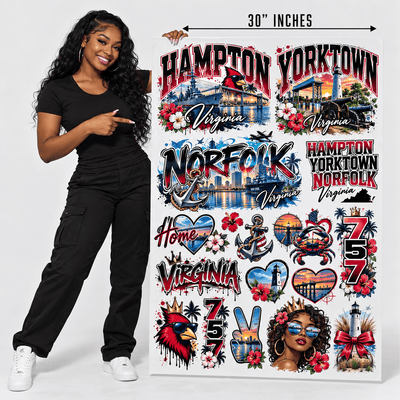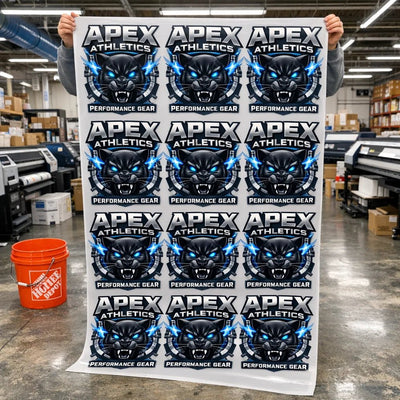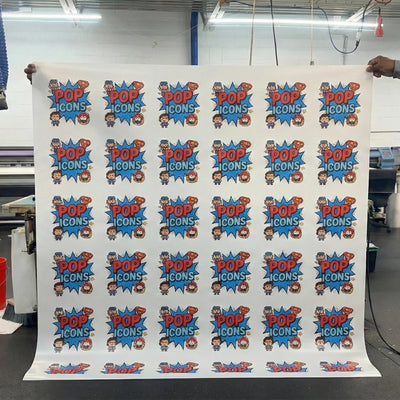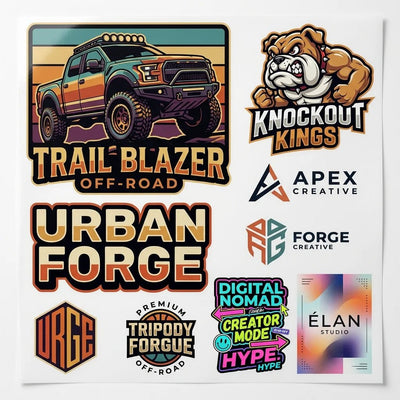

Heat transfer and sublimation are two popular printing methods that use heat to apply designs to fabrics and products, but they work very differently.
Heat transfer prints sit on top of the material using vinyl, film, or transfer paper, while sublimation turns dye into gas that fuses directly into polyester fibers. Sublimation creates permanent, vibrant prints, whereas heat transfer offers more material flexibility and easier setup.
This guide breaks down each method’s advantages, limitations, and best-use scenarios so you can make an informed choice backed by print industry insight.
Table of Contents
Understanding Heat Transfer Printing
Heat transfer printing is a broad term for techniques that use heat and pressure to bond printed designs onto surfaces. The artwork is first printed or cut on a carrier medium (such as vinyl, film, or transfer paper), then pressed onto fabric or a substrate using a heat press.

Common heat transfer methods include:
-
Heat Transfer Vinyl (HTV) – cut or printed vinyl applied to garments
-
Heat Transfer Paper – printed designs transferred from coated paper
-
Screen Print Transfers – pre-printed plastisol inks pressed onto fabrics
-
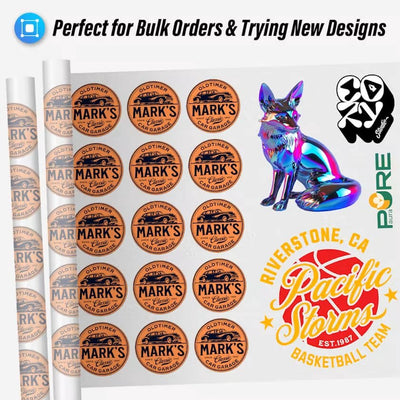
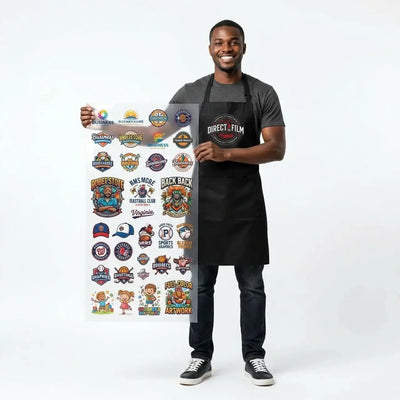
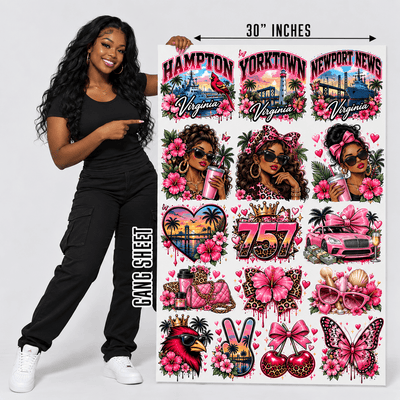
Direct-to-Film (DTF) Transfers – digitally printed designs using PET film
Each has its own workflow, finish, and durability making heat transfer one of the most versatile and accessible printing families.
Heat Transfer vs Sublimation: What’s the Difference?
While both rely on heat, sublimation printing and heat transfer differ in how the color bonds with the material.
| Feature | Heat Transfer | Sublimation |
|---|---|---|
| Ink Type | Pigment or plastisol ink | Sublimation dye ink |
| Material Compatibility | Cotton, blends, nylon, polyester, wood, etc. | Polyester or poly-coated materials only |
| Durability | Medium to high (depends on method) | Extremely durable, ink becomes part of the fibers |
| Color Range | Works on light and dark surfaces | Only light or white surfaces |
| Texture / Feel | May leave a layer or film | Seamless, smooth finish |
| Cost to Start | Low to moderate | Moderate to high |
| Best For | Versatile materials, small runs | High-quality prints on polyester |
Sublimation technically is a form of heat transfer but its process and output set it apart as a specialized, high-end option.
Types of Heat Transfers
1. Heat Transfer Vinyl (HTV)
HTV involves cutting shapes or text from colored vinyl sheets and pressing them onto fabric.
-
Pros: Durable, vibrant, and suitable for almost any fabric color.
-
Cons: Not ideal for highly detailed designs; adds slight texture.
-
Best for: Sportswear, team jerseys, and one-off designs.
2. Heat Transfer Paper
A printed design on inkjet or laser transfer paper is pressed onto fabric.
-
Pros: Inexpensive and beginner-friendly — great for home or small shops.
-
Cons: Lower wash durability; cracks or fades over time.
-
Best for: DIY t-shirts, tote bags, and entry-level projects.
3. Screen Print Transfers
This combines screen printing quality with transfer convenience.
-
Pros: Vibrant colors, Pantone matching, and reusable designs.
-
Cons: Setup cost and time for multi-color jobs.
-
Best for: Bulk runs like events, uniforms, and retail merchandise.
4. Direct-to-Film (DTF) Transfers
DTF printing uses special inks and PET film, cured with adhesive powder before heat pressing.
-
Pros: Works on dark fabrics and multiple materials; vivid full-color results.
-
Cons: Equipment investment and minor texture feel.
-
Best for: Print-on-demand or small business orders needing full-color designs.
Understanding Sublimation Printing
Sublimation uses heat to turn solid dye ink into gas without becoming liquid. This gas bonds with polyester fibers or poly-coated surfaces, creating a permanent infusion of color.
The result? Ultra-smooth, long-lasting prints that won’t peel, fade, or crack because the design becomes part of the material itself.
How Sublimation Works
-
Print your design using sublimation ink on sublimation paper.
-
Place the print onto a polyester or poly-coated surface.
-
Apply heat and pressure the ink vaporizes and embeds into the surface.
-
Remove the paper to reveal a vivid, permanent design.
Pros and Cons of Sublimation
Pros:
-
Brilliant, full-color images with photographic quality
-
Seamless feel no raised print layer
-
Excellent durability (colors remain vibrant for years)
-
Great for “all-over” garment prints and hard goods
Cons:
-
Limited to light-colored polyester or coated materials
-
Cannot print on cotton or dark fabrics
-
Equipment costs are higher than basic heat transfer setups
Best for: Custom sportswear, mugs, photo panels, mousepads, and other promotional items.
All-Over Printing: Sublimation’s Signature Advantage
One of sublimation’s unique strengths is all-over printing, the ability to print edge-to-edge across an entire garment, including seams. This method is ideal for custom uniforms, activewear, and full-wrap designs, delivering a retail-quality finish that traditional transfers can’t match.

Heat Transfer vs Sublimation: Which Is Better?
It depends on your goals, budget, and materials:
-
Choose Sublimation if you prioritize vibrant, permanent, full-color prints on polyester-based items.
-
Choose Heat Transfer (DTF, HTV, or Paper) if you need flexibility across different materials, darker fabrics, or short-run orders.
Many professional print shops combine both methods using sublimation for polyester apparel and DTF or HTV for cotton and specialty fabrics.

Final Thoughts
When comparing heat transfer vs sublimation, there’s no single “best” method only the right one for your materials and production goals.
For durability and photo-quality output, sublimation wins. For flexibility and affordability, heat transfer (especially DTF and HTV) offers unmatched versatility.
As print technology evolves, both methods continue to empower creators, crafters, and commercial printers to produce stunning, custom designs that last.
FAQs
Can I use sublimation ink on heat transfer paper?
No. Sublimation ink must be used with sublimation paper or polyester materials. Standard heat transfer paper does not absorb or release dye gas correctly.
What’s the main difference between sublimation and vinyl?
Sublimation dyes the fabric itself, while vinyl sits on top of the fabric. Sublimation feels weightless, while heat transfer vinyl has a layered feel.
Does sublimation work on dark shirts?
Not effectively. Sublimation requires light or white polyester surfaces to achieve accurate color reproduction.
How long does heat transfer vinyl last?
High-quality heat transfer vinyl can last 50 or more washes with proper care. Durability depends on press settings, garment material, and aftercare.